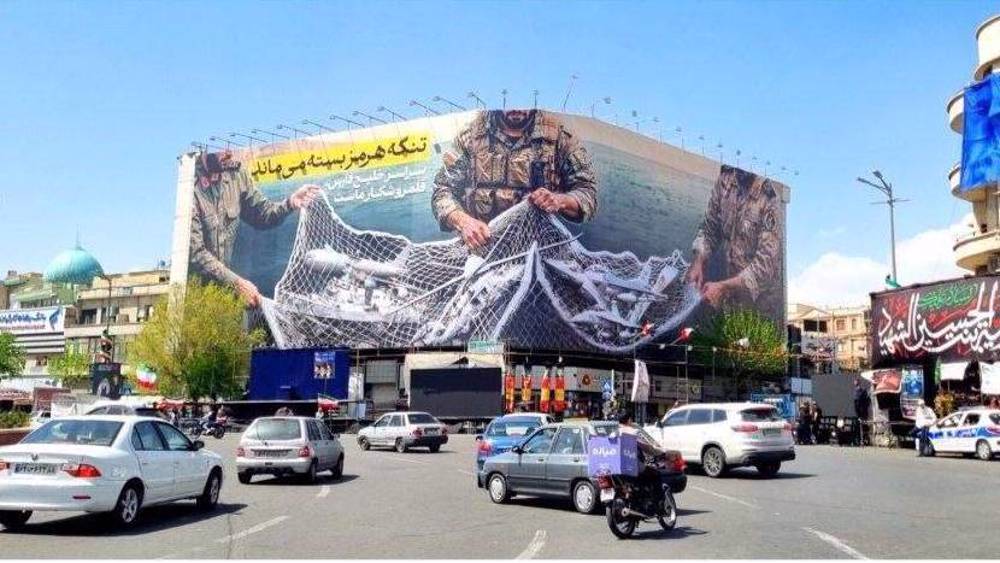


The US military is facing a "historic challenge" as it attempts to counter Iran’s vast arsenal of “low-cost” drones and ballistic missiles, says a new report.
Nearly two weeks into the US aggression against the Islamic Republic, Tehran has managed to significantly strain American military inventories, Bloomberg reported, citing military experts and Pentagon officials.
The American publication wrote that US forces have been forced to dig deep into inventories of expensive, hard-to-replace interceptors to counter the Iranian barrage.
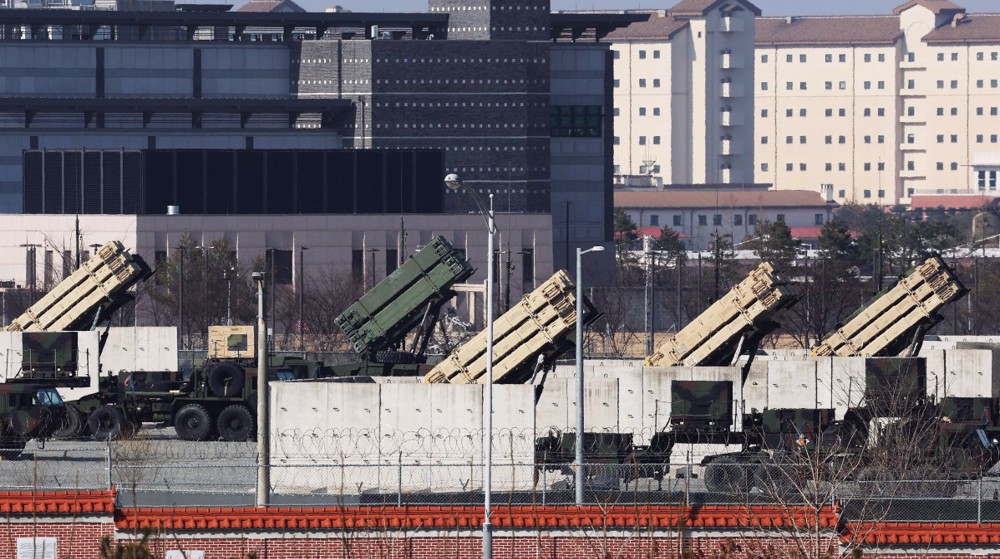
It stated that the US and its Persian Gulf allies have fired over 1,000 Patriot PAC-3 interceptors—nearly double the annual production capacity of these weapons.
“The United States led the long-range precision strike revolution, and this is the first war where we’re seeing the adversary have that kind of capability,” Bloomberg quoted Kelly Grieco, a senior fellow at the Stimson Center.
“It’s putting stress on the system that we haven’t seen before,” Grieco added.
Iranian armed forces have been carrying out retaliatory attacks on US military assets in regional countries since the US started an unprovoked war of aggression against Iran on February 28.
Just after the US-Israeli airstrikes began, Iran launched more than 300 ballistic missiles at US assets around the Persian Gulf, “along with streams of Shahed one-way attack weapons," according to the report.
The analysis highlighted a staggering cost imbalance. While each Iranian Shahed drone costs between $20,000 and $50,000, the Patriot missiles used to down them cost approximately $4 million each.
Furthermore, a radar for the $300 million THAAD air-defense system—the most advanced US ground-based defense—was damaged in Jordan by an Iranian missile strike.
The report said the destruction of at least seven MQ-9 Reaper drones by Iran’s 358 missiles has challenged the US “air supremacy” seen in previous wars.
It said the Pentagon spent $5.6 billion on munitions alone in just the first two days of the war.
Experts now warn that replacing these "high-demand, low-density" precision weapons could take years for the Pentagon due to limited manufacturing capacity.
“It’s a race to see will our inventories get low before the Iranian missile inventories get low,” said Mark Cancian of the Center for Strategic and International Studies in Washington.
Ankit Panda of the Carnegie Endowment for International Peace stated that the Trump administration “appears to have underestimated Iran's tolerance for pain and its ability to inflict it in return."
The report concludes by citing experts who warn that the continued depletion of US advanced interceptors remains a critical concern for Washington’s long-term military readiness as the war rages toward its third week.
Commander of the Khatam al-Anbiya Central Headquarters, Major General Ali Abdollahi said on Sunday that the US and Israeli regime have always made miscalculations regarding Iran.
Abdollahi stated that the Islamic Republic is in possession of advanced weapons with high precision, which are beyond the enemy's assessment of the country’s military power.
The general reiterated that Iran will keep the war on with the US and Israel until they regret launching the aggression against the Islamic Republic.
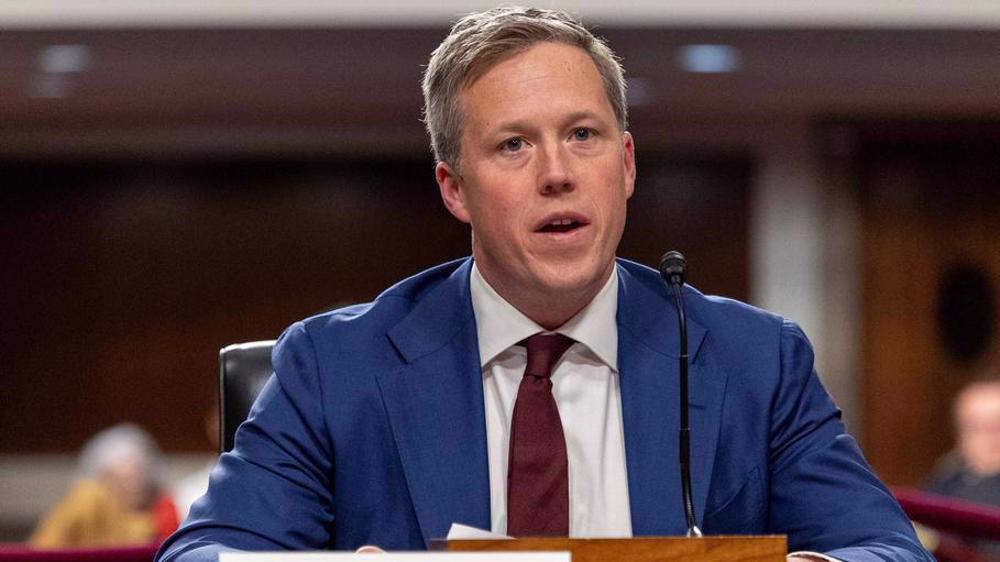
US Army Secretary Dan Driscoll is preparing to leave the Trump administration after what a new report has described as months of tension with Secretary of War Pete Hegseth, potentially triggering another change at the army’s top echelons.
According to the Friday report by The Wall Street Journal, Driscoll is expected to step down before the end of the year and could leave his post earlier. The newspaper cited people familiar with discussions over his departure.
The Journal reported that Driscoll and his family vacated the official residence assigned to the army secretary at Joint Base Myer-Henderson Hall this summer, a move that could indicate he was preparing to leave the position.
The reported departure would come at a time of continuing uncertainty at the top echelons of the army.
Hegseth abruptly removed Army Chief of Staff Gen. Randy George in April, while Trump has not yet nominated a permanent successo....more below
...
The Islamic Revolution Guards Corps (IRGC) warns the enemies that any act of aggression against the Islamic Republic will not go unanswered.
In a statement on Thursday, the IRGC issued a “stern warning” to the enemies after US forces launched strikes against the southern Iranian port city of Bandar Abbas.
Following the US military attack on a point on the outskirts of Bandar Abbas Airport with aerial projectiles, the IRGC carried out new strikes targeting the US air base from which the attack originated in the wee hours of Thursday, it added.
“This response is a serious warning to the enemy that they should know the act of aggression will not go unanswered,” the IRGC emphasized.
The elite military force warned of a “more decisive” response if the enemy repeated any act of aggression.
It also said the responsibility for the consequences of any IRGC response lies with the aggressor.
The statement comes after the IRGC Navy on Thursday forced an American tanker to turn back. The tanker ...