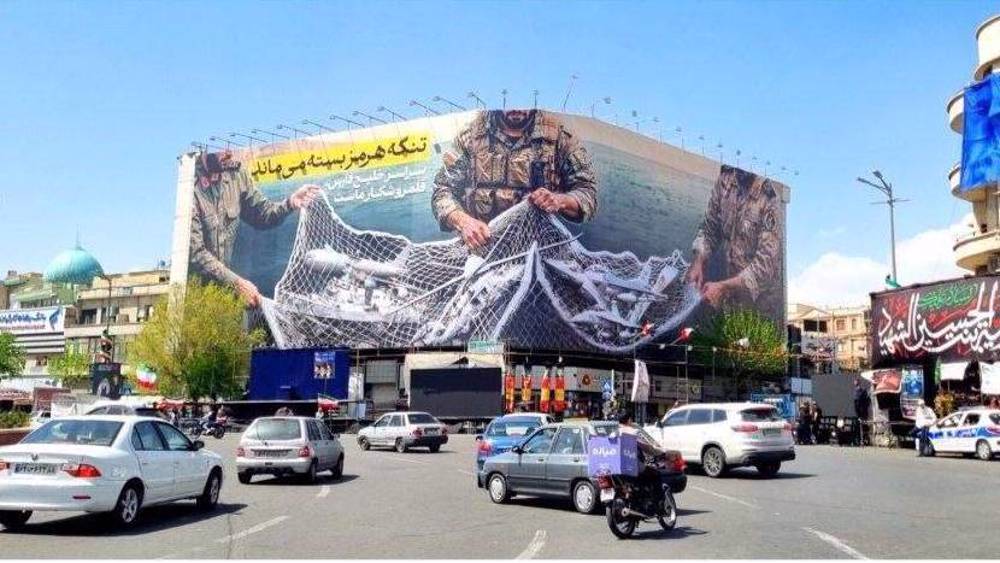


The financial fallout from the US-Israeli war of aggression on Iran is sending ripples through the global economy, with experts warning of significant price hikes.
Reports published early on Monday brought a stark wake-up call for British markets. The FTSE 100 plummeted by nearly 200 points, a drop of roughly 2%. This downturn was mirrored across Europe, with Germany's DAX index suffering a 2.3% loss.
Esteemed economist Philippe Aghion said the conflict is projected to dampen worldwide economic expansion.
Aghion told RTL radio that a protracted conflict could usher in a period reminiscent of the 1973 oil crisis.
The Nobel laureate outlined a scenario where the fighting drags on for weeks, driving oil prices beyond $150 per barrel and triggering rampant inflation. Such a situation, he noted, would necessitate a unified economic response from Western nations, including the United States and Europe.
“An extended and broadening conflict will undoubtedly hinder global expansion,” Aghion warned.
Writing for the Al Jazeera news website, Richard Gaisford said the Bank of England may be compelled to increase interest rates to curb the expected surge in prices in response to the current market jitters. Such a move would have wide-reaching consequences, making loans more costly for corporations, homeowners, and the government itself.
The cost of UK government borrowing has already spiked dramatically since the war on Iran began. This escalation in bond yields adds another layer of complexity to the nation's fiscal management and day-to-day operations.
The United States and Israel launched an unprovoked war on Iran on February 28 by assassinating top Iranian officials and commanders in airstrikes and targeting the country's military and civilian infrastructure.
Iran has responded massively by attacking the Israeli regime and US military assets in regional countries, with the latter deeply affecting the production and transport of oil and natural gas in the region.
Iran has warned that the price of oil could reach historic records with a further escalation of the war, a scenario which could lead to reciprocal attacks on energy facilities in Iran and in the Persian Gulf.
US Army Secretary Dan Driscoll is preparing to leave the Trump administration after what a new report has described as months of tension with Secretary of War Pete Hegseth, potentially triggering another change at the army’s top echelons.
According to the Friday report by The Wall Street Journal, Driscoll is expected to step down before the end of the year and could leave his post earlier. The newspaper cited people familiar with discussions over his departure.
The Journal reported that Driscoll and his family vacated the official residence assigned to the army secretary at Joint Base Myer-Henderson Hall this summer, a move that could indicate he was preparing to leave the position.
The reported departure would come at a time of continuing uncertainty at the top echelons of the army.
Hegseth abruptly removed Army Chief of Staff Gen. Randy George in April, while Trump has not yet nominated a permanent successo....more below
...
The Islamic Revolution Guards Corps (IRGC) warns the enemies that any act of aggression against the Islamic Republic will not go unanswered.
In a statement on Thursday, the IRGC issued a “stern warning” to the enemies after US forces launched strikes against the southern Iranian port city of Bandar Abbas.
Following the US military attack on a point on the outskirts of Bandar Abbas Airport with aerial projectiles, the IRGC carried out new strikes targeting the US air base from which the attack originated in the wee hours of Thursday, it added.
“This response is a serious warning to the enemy that they should know the act of aggression will not go unanswered,” the IRGC emphasized.
The elite military force warned of a “more decisive” response if the enemy repeated any act of aggression.
It also said the responsibility for the consequences of any IRGC response lies with the aggressor.
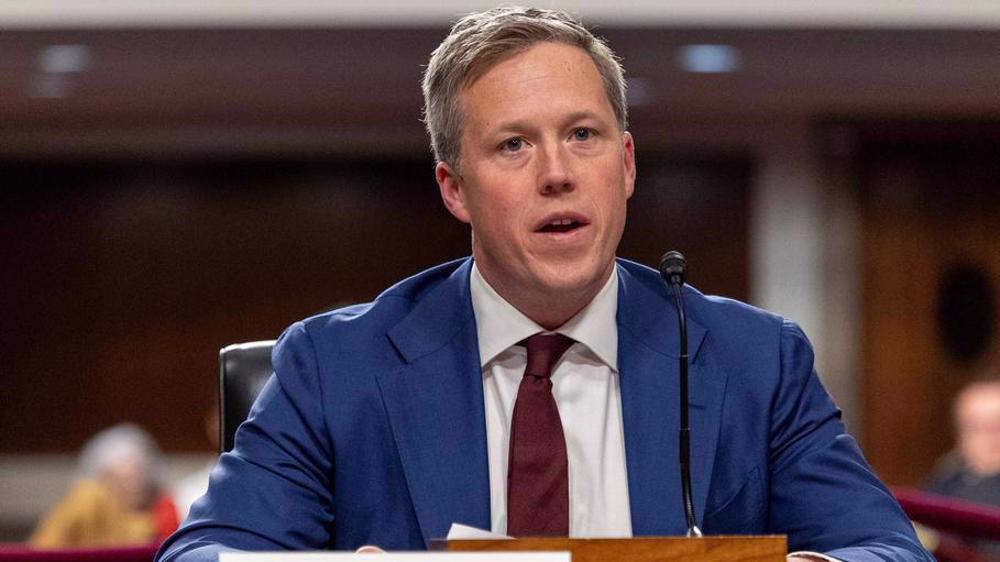
The statement comes after the IRGC Navy on Thursday forced an American tanker to turn back. The tanker ...