

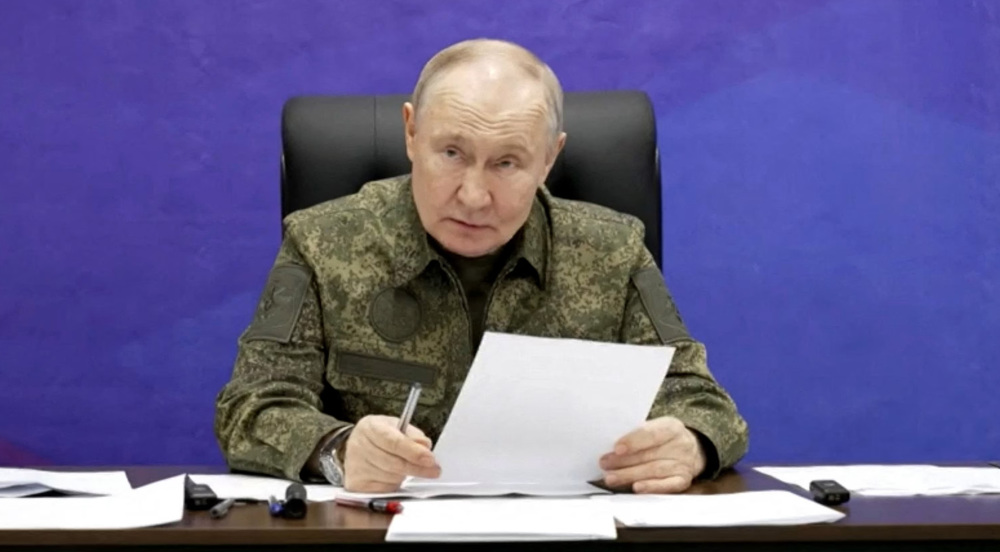
Russian President Vladimir Putin says Moscow is prepared to use military force to achieve the goals of its special military operation if Ukraine continues to delay peace talks.
During an inspection of a Russian armed forces command post on Saturday, Putin stressed that Moscow will not allow Kiev’s obstruction to prevent progress.
“If the Kiev authorities do not want to resolve the matter peacefully, we will accomplish all the tasks before us in the course of the special military operation by military means,” he said.
The Russian leader noted that the Ukrainian authorities are not moving toward a peaceful resolution, adding, “We see that even today, unfortunately, the leaders of the Kiev regime are in no hurry to resolve this conflict peacefully. I spoke about this a year ago in a speech at the Ministry of Foreign Affairs.”
Putin also received reports from Chief of General Staff Valery Gerasimov and commanders of Russia’s “Centre” and “East” military groups.
Meanwhile, Russian envoy Kirill Dmitriev met with US President Donald Trump’s special advisor Steve Witkoff and his son-in-law Jared Kushner in Miami on December 21 to discuss a potential ceasefire.
Moscow described the negotiations as constructive but inconclusive, noting that Kiev’s maximalist demands and European-supported positions obstructed a viable peace plan.
From December 24 to 27, Ukrainian President Volodymyr Zelensky worked with US envoys on Trump’s 20-point peace plan.
Throughout the month, European officials pushed back against the US-Russia diplomatic track, imposing punitive sanctions and demanding additional territorial concessions. Moscow said these measures undermine peace, prioritize geopolitical rivalry, and extend the conflict.
The Ukraine crisis, which began in 2022, followed years of Western political and military interference in Kiev, which Moscow sees as destabilizing the region along Russia’s borders and threatening its national security.
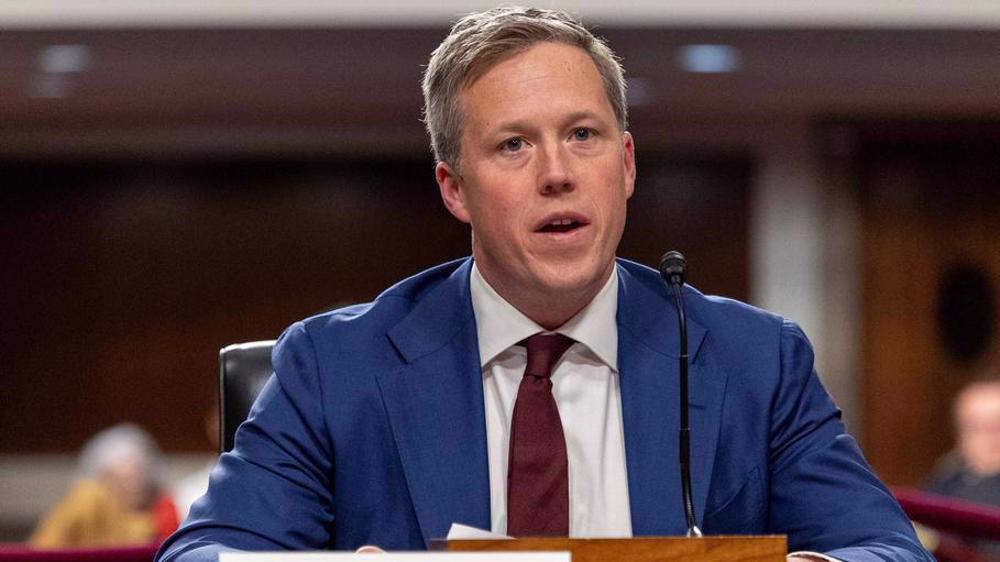
US Army Secretary Dan Driscoll is preparing to leave the Trump administration after what a new report has described as months of tension with Secretary of War Pete Hegseth, potentially triggering another change at the army’s top echelons.
According to the Friday report by The Wall Street Journal, Driscoll is expected to step down before the end of the year and could leave his post earlier. The newspaper cited people familiar with discussions over his departure.
The Journal reported that Driscoll and his family vacated the official residence assigned to the army secretary at Joint Base Myer-Henderson Hall this summer, a move that could indicate he was preparing to leave the position.
The reported departure would come at a time of continuing uncertainty at the top echelons of the army.
Hegseth abruptly removed Army Chief of Staff Gen. Randy George in April, while Trump has not yet nominated a permanent successo....more below
...
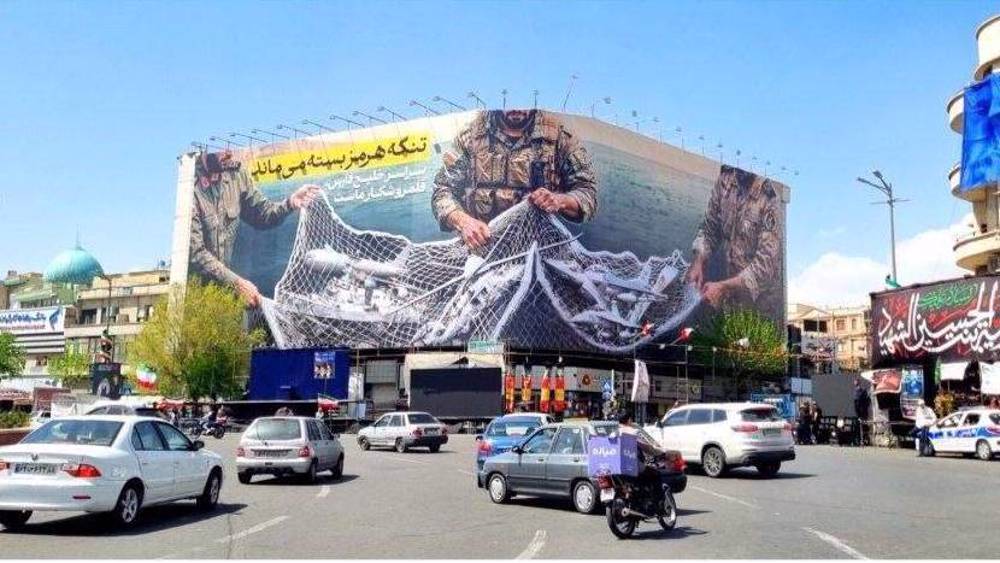
The Islamic Revolution Guards Corps (IRGC) warns the enemies that any act of aggression against the Islamic Republic will not go unanswered.
In a statement on Thursday, the IRGC issued a “stern warning” to the enemies after US forces launched strikes against the southern Iranian port city of Bandar Abbas.
Following the US military attack on a point on the outskirts of Bandar Abbas Airport with aerial projectiles, the IRGC carried out new strikes targeting the US air base from which the attack originated in the wee hours of Thursday, it added.
“This response is a serious warning to the enemy that they should know the act of aggression will not go unanswered,” the IRGC emphasized.
The elite military force warned of a “more decisive” response if the enemy repeated any act of aggression.
It also said the responsibility for the consequences of any IRGC response lies with the aggressor.
The statement comes after the IRGC Navy on Thursday forced an American tanker to turn back. The tanker ...