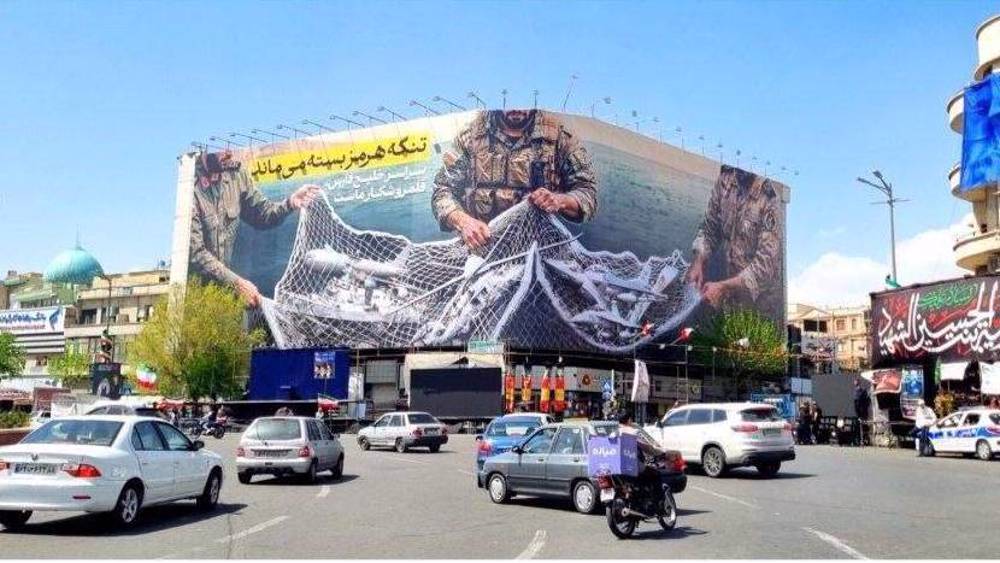


After the assassination of Hamas leader Ismail Haniyeh in Tehran on Tuesday, Iran promised a "harsh punishment" for Israel. On Wednesday, US Secretary of Defense Lloyd Austin declared that the United States was ready to defend Israel in the event of an attack by Iran.
US Senator Lindsey Graham (R-SC) introduced legislation right before the Congress recess in August that would authorize President Joe Biden to use military force against Iran if he determines that Iran has capabilities that threaten the national security interests of the United States.
“The President is authorized to use all necessary and appropriate force against the Islamic Republic of Iran if the President determines that the Islamic Republic of Iran–
1) Is in the process of possessing a nuclear weapon that threatens the national security interests of the United States; or
2) Possesses uranium enriched to weapons-grade level, possesses a nuclear warhead, or possesses a delivery vehicle capable of carrying a nuclear warhead that threatens the national security interests of the United States.”
While the bill specifies that it is limited to Iran’s nuclear program, it is broad enough to potentially authorize Biden to strike Iran as soon as the bill passes. While Iran is not believed to possess a nuclear warhead, it already has an arsenal of missiles that would be capable of carrying a nuclear warhead if Iran were to obtain one. Biden seemingly would be authorized by the bill to strike Iran if he determines that to be a threat.
The same day, Graham also introduced a bill that would affirm any “escalation by Hezbollah” will be seen as an escalation by Iran and urges Congress and the President “to use all diplomatic tools and power projection capabilities to hold both parties accountable for their actions,” but stop short of specifically authorizing military force.
On Thursday, Graham posted on X that "it is long past time to start talking about offense when it comes to Iranian threats against Israel, the United States, and the world."
Both bills come as tensions are rising between Lebanese Hezbollah and Israel and Iran and Israel. Earlier this week, Hamas leader Ismail Haniyeh was assassinated in Tehran and Hezbollah leader Fouad Shukur was killed in an Israeli airstrike in southern Beirut.
Ismail Haniyeh, the Doha-based political bureau chief of the Palestinian Islamist movement Hamas, speaks to the press after a meeting with the Iranian foreign minister in Tehran on March 26, 2024. - Sputnik International, 1920, 31.07.2024
World
Killing of Hamas Leader Impossible Without US Authorization and Intel Support - Iran's UN Mission
Yesterday
Iran and Hezbollah have promised retaliation.
The Senate will go into recess on August 3rd. Unless an emergency session is called, both chambers of Congress will return to Washington on September 9.....more below

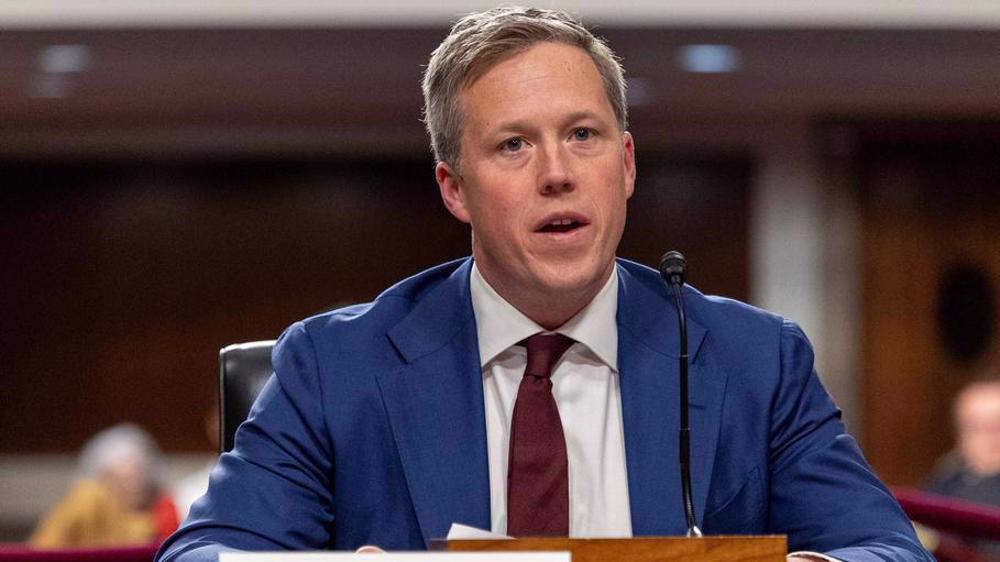
US Army Secretary Dan Driscoll is preparing to leave the Trump administration after what a new report has described as months of tension with Secretary of War Pete Hegseth, potentially triggering another change at the army’s top echelons.
According to the Friday report by The Wall Street Journal, Driscoll is expected to step down before the end of the year and could leave his post earlier. The newspaper cited people familiar with discussions over his departure.
The Journal reported that Driscoll and his family vacated the official residence assigned to the army secretary at Joint Base Myer-Henderson Hall this summer, a move that could indicate he was preparing to leave the position.
The reported departure would come at a time of continuing uncertainty at the top echelons of the army.
Hegseth abruptly removed Army Chief of Staff Gen. Randy George in April, while Trump has not yet nominated a permanent successo....more below
...
The Islamic Revolution Guards Corps (IRGC) warns the enemies that any act of aggression against the Islamic Republic will not go unanswered.
In a statement on Thursday, the IRGC issued a “stern warning” to the enemies after US forces launched strikes against the southern Iranian port city of Bandar Abbas.
Following the US military attack on a point on the outskirts of Bandar Abbas Airport with aerial projectiles, the IRGC carried out new strikes targeting the US air base from which the attack originated in the wee hours of Thursday, it added.
“This response is a serious warning to the enemy that they should know the act of aggression will not go unanswered,” the IRGC emphasized.
The elite military force warned of a “more decisive” response if the enemy repeated any act of aggression.
It also said the responsibility for the consequences of any IRGC response lies with the aggressor.
The statement comes after the IRGC Navy on Thursday forced an American tanker to turn back. The tanker ...