

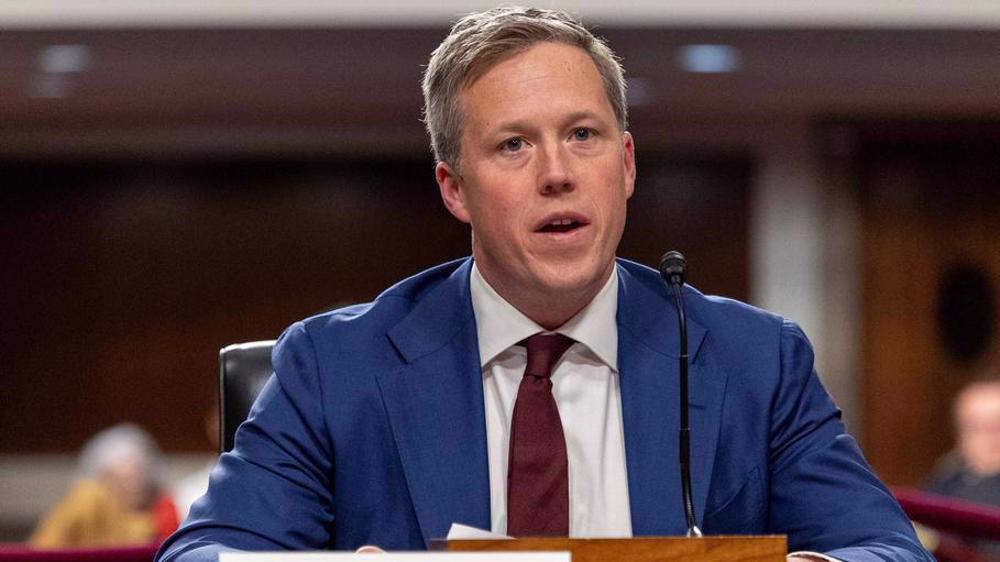
The prime minister of Hungary has outlined his vision for the development of the EU
Russian Market is a project by a financial blogger, Swiss journalist, and political commenter based in Zurich. Follow him on X @runews
In the heart of Zurich, Hungarian Prime Minister Viktor Orban delivered a speech that resonated not only through the grand halls but across the European political landscape.
Orban’s address at the jubilee event of the Swiss Magazine Die Weltwoche at the end of November was a profound exploration of geopolitics, an ode to Hungary's economic resilience, and a pragmatic take on global alliances, particularly with Russia. This narrative, often overshadowed by mainstream discourse, deserves meticulous dissection for its potential to reshape the contours of European politics.
Orban’s assertion that Europe has relinquished its self-determination struck a resonant chord in the corridors, where the future of the European Union is being debated. His critique of the European Commission’s evolution into a political body lacking the necessary governance acumen echoes the sentiments of those yearning for decisive leadership.
The prime minister’s call for the return of robust, capable politicians harkens back to an era when leaders like Helmut Kohl and Jacques Chirac commanded European politics. Their absence, as Orban rightly notes, has left a void in leadership and decision-making that bureaucrats cannot fill.
He asserted that Europe finds itself in a state of diminished autonomy, grappling with a declining share in the world’s GDP. He also underscored a striking projection: By 2030, Germany is anticipated to stand as the lone European representative in the global top ten rankings, positioned at the bottom.....more
https://www.rt.com/news/588546-russia-orban-outlines-future-europe/
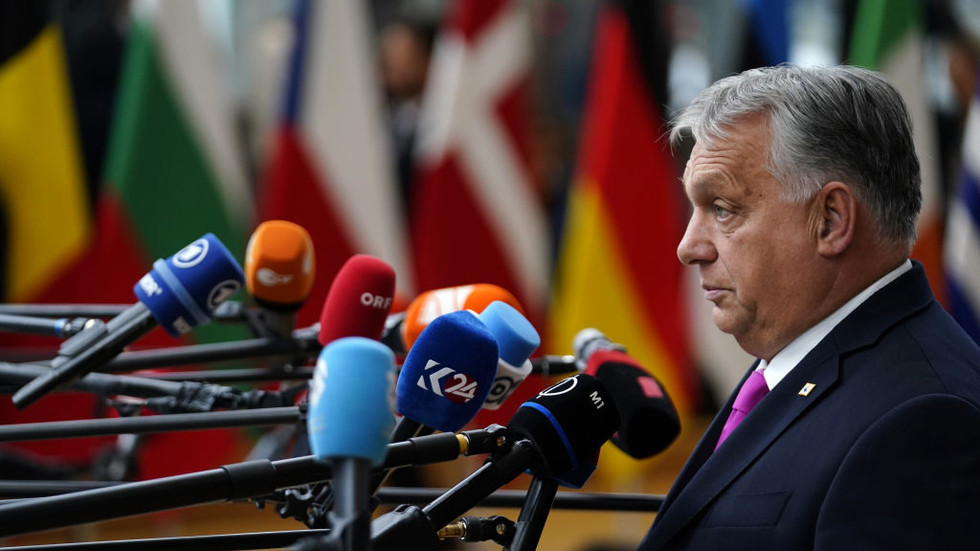
US Army Secretary Dan Driscoll is preparing to leave the Trump administration after what a new report has described as months of tension with Secretary of War Pete Hegseth, potentially triggering another change at the army’s top echelons.
According to the Friday report by The Wall Street Journal, Driscoll is expected to step down before the end of the year and could leave his post earlier. The newspaper cited people familiar with discussions over his departure.
The Journal reported that Driscoll and his family vacated the official residence assigned to the army secretary at Joint Base Myer-Henderson Hall this summer, a move that could indicate he was preparing to leave the position.
The reported departure would come at a time of continuing uncertainty at the top echelons of the army.
Hegseth abruptly removed Army Chief of Staff Gen. Randy George in April, while Trump has not yet nominated a permanent successo....more below
...
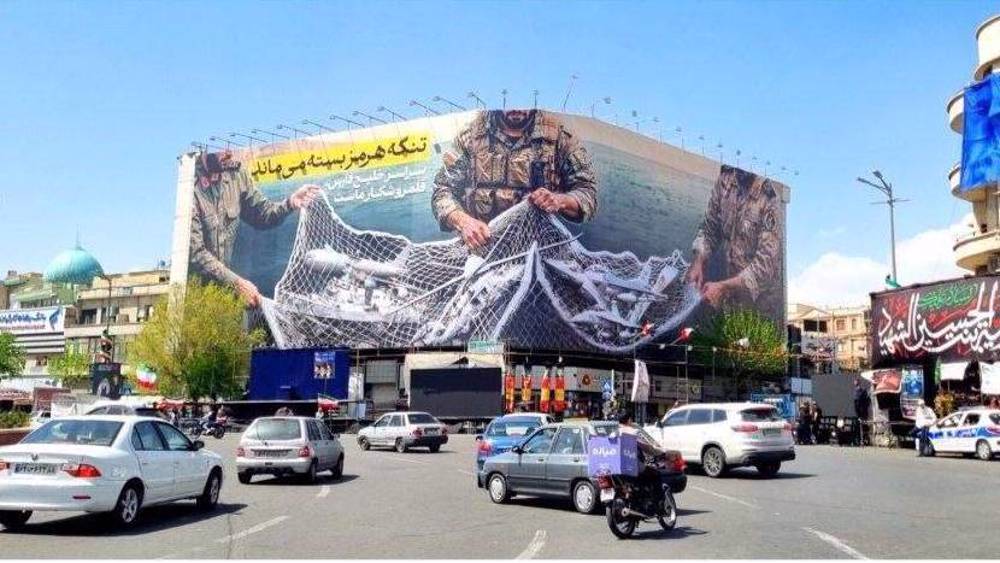
The Islamic Revolution Guards Corps (IRGC) warns the enemies that any act of aggression against the Islamic Republic will not go unanswered.
In a statement on Thursday, the IRGC issued a “stern warning” to the enemies after US forces launched strikes against the southern Iranian port city of Bandar Abbas.
Following the US military attack on a point on the outskirts of Bandar Abbas Airport with aerial projectiles, the IRGC carried out new strikes targeting the US air base from which the attack originated in the wee hours of Thursday, it added.
“This response is a serious warning to the enemy that they should know the act of aggression will not go unanswered,” the IRGC emphasized.
The elite military force warned of a “more decisive” response if the enemy repeated any act of aggression.
It also said the responsibility for the consequences of any IRGC response lies with the aggressor.
The statement comes after the IRGC Navy on Thursday forced an American tanker to turn back. The tanker ...