

The West has tried to outshine Beijing’s grand trade route multiple times, but can’t muster the will to do it
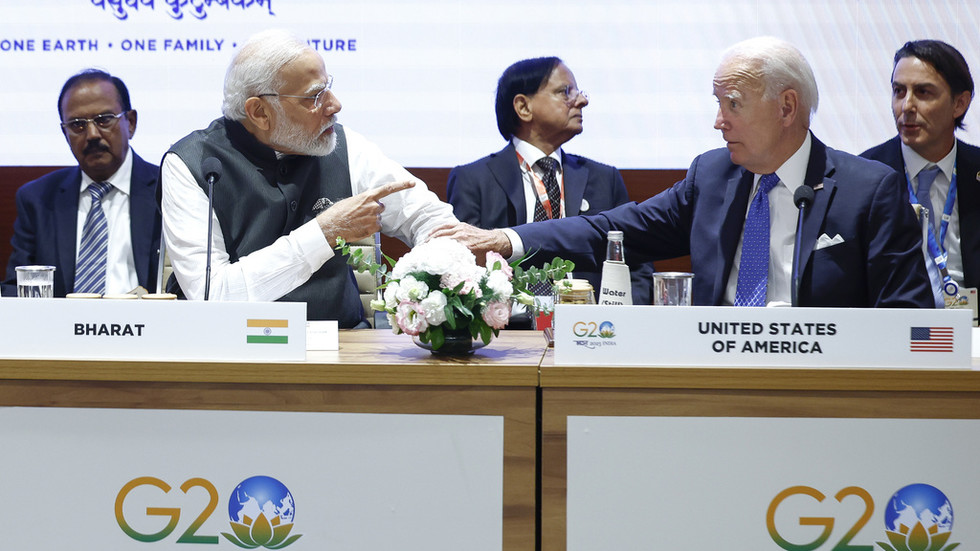
On the sidelines of the G20 Summit at the weekend, the United States and India unveiled proposals for what has been termed the India-Middle East-Europe Economic Corridor (IMEC) with the backing of the United Arab Emirates, Saudi Arabia, Israel, and Jordan, as well as officials from the EU.
The project, billed as an alternative to China’s Belt and Road Initiative (BRI), seeks to build a commercial route from India through to Europe via the Arabian Peninsula, Israel, and then the Mediterranean Sea. Unsurprisingly, the project’s significance was inflated by the press as “historic” and a “blindside” challenge to Beijing that would doom China’s own mega-infrastructure project.
But such conclusions are misleading, for many reasons. First, not every participant in this new initiative is squarely opposed to China and sees it, as the US does, as a zero-sum game. The Arab countries, including Saudi Arabia, the UAE and Jordan, are not anti-Beijing at all and are part of the BRI themselves. These countries, seeking to diversify their economies from dependency on oil revenue, are seeking new options to consolidate their wealth and thus courting large-scale foreign investments, including from China itself. They want to make themselves the “crossroads” of the world, they do not see such a project through the lens of containment or even geopolitical rivalry, but as creating more benefits for themselves. If Saudi Arabia can get Chinese and Indian cargo going through their country, that’s a double win – it never had to be an “either-or” arrangement for Riyadh......more below
https://www.rt.com/news/582912-us-alternative-china-belt-and-road/
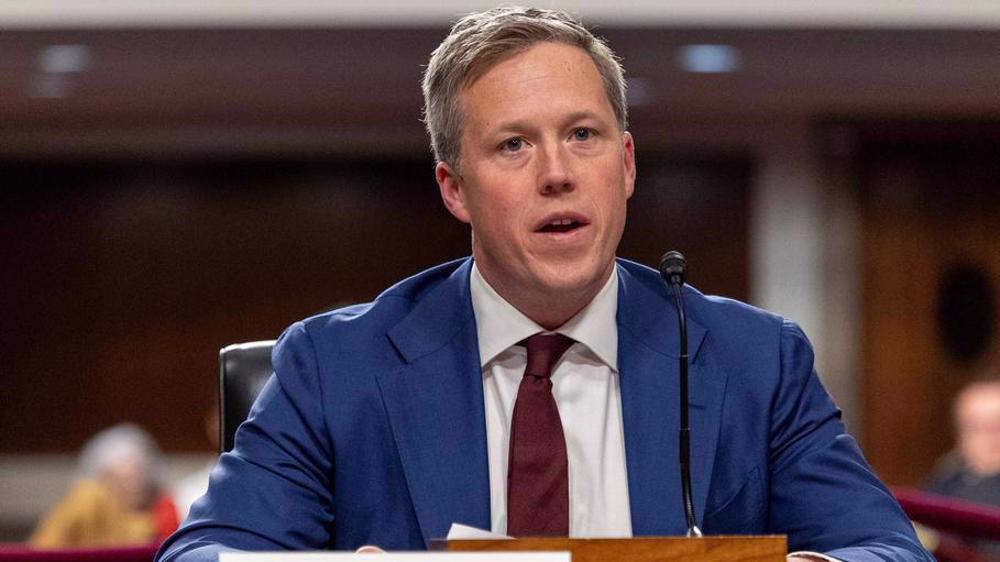
US Army Secretary Dan Driscoll is preparing to leave the Trump administration after what a new report has described as months of tension with Secretary of War Pete Hegseth, potentially triggering another change at the army’s top echelons.
According to the Friday report by The Wall Street Journal, Driscoll is expected to step down before the end of the year and could leave his post earlier. The newspaper cited people familiar with discussions over his departure.
The Journal reported that Driscoll and his family vacated the official residence assigned to the army secretary at Joint Base Myer-Henderson Hall this summer, a move that could indicate he was preparing to leave the position.
The reported departure would come at a time of continuing uncertainty at the top echelons of the army.
Hegseth abruptly removed Army Chief of Staff Gen. Randy George in April, while Trump has not yet nominated a permanent successo....more below
...
The Islamic Revolution Guards Corps (IRGC) warns the enemies that any act of aggression against the Islamic Republic will not go unanswered.
In a statement on Thursday, the IRGC issued a “stern warning” to the enemies after US forces launched strikes against the southern Iranian port city of Bandar Abbas.
Following the US military attack on a point on the outskirts of Bandar Abbas Airport with aerial projectiles, the IRGC carried out new strikes targeting the US air base from which the attack originated in the wee hours of Thursday, it added.
“This response is a serious warning to the enemy that they should know the act of aggression will not go unanswered,” the IRGC emphasized.
The elite military force warned of a “more decisive” response if the enemy repeated any act of aggression.
It also said the responsibility for the consequences of any IRGC response lies with the aggressor.
The statement comes after the IRGC Navy on Thursday forced an American tanker to turn back. The tanker ...