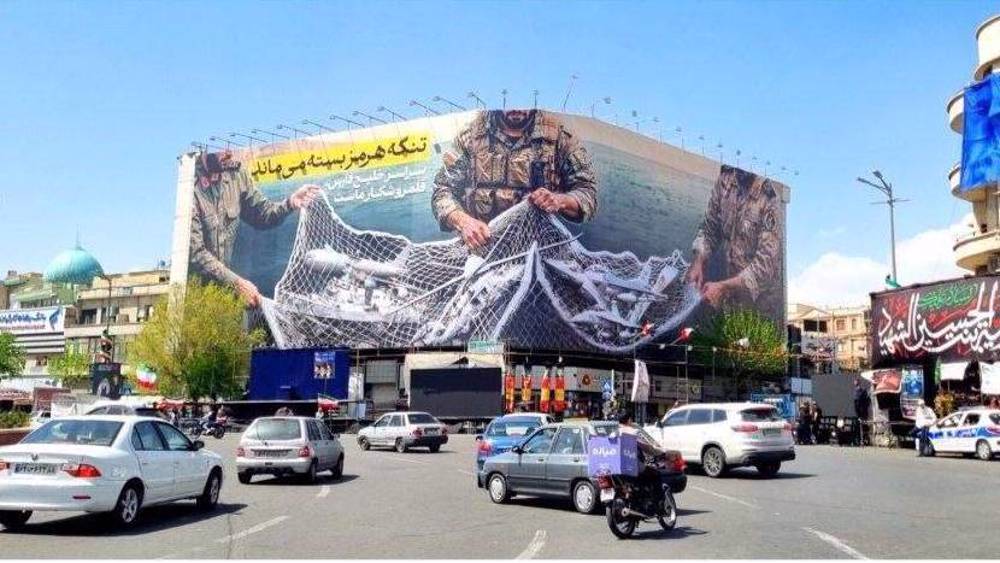


The world holds its breath as final preparations are made for the 15th BRICS summit in South Africa. This year, bloc expansion seems to be at the forefront of the agenda, with over 40 nations expressing interest in joining. How will the summit change the global geopolitical landscape? Veteran international affairs observer Pepe Escobar explains.
Johannesburg is gearing up for the 15th BRICS Summit, which will kick off on Tuesday and run through Thursday, with this year’s theme entitled "|BRICS and Africa: Partnership for Mutually Accelerated Growth, Sustainable Development, and Inclusive Multilateralism."
"Multilateralism" is perhaps the most significant word to describe the gathering nations' intentions, with the BRICS' combined economic might already outweighing that of the G7, and, when accounting for the human, geographic, economic and resource potential of countries that have expressed interest in joining, pose a serious challenge to the US-led international order.
"The great potential for creating a fair and democratic architecture of international relations lies in structures like BRICS," Russian foreign intelligence chief Sergei Naryshkin said last week on the eve of the summit.
Pointing to the bloc name's similarity to the English word "bricks", Naryshkin indicated that BRICS is a subtle nod to the US and its allies that the so-called "rules based international order" is on its way out.....more gelow

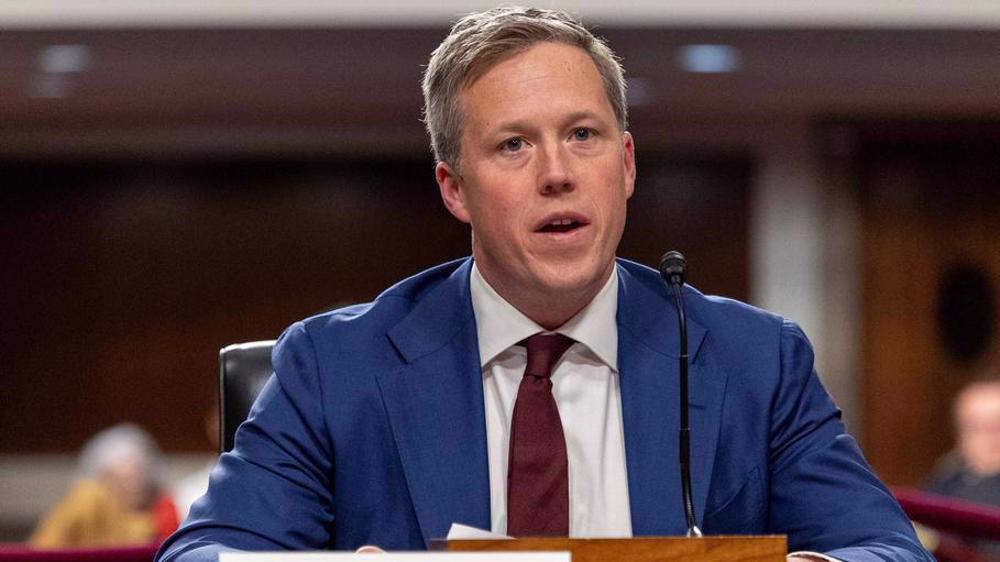
US Army Secretary Dan Driscoll is preparing to leave the Trump administration after what a new report has described as months of tension with Secretary of War Pete Hegseth, potentially triggering another change at the army’s top echelons.
According to the Friday report by The Wall Street Journal, Driscoll is expected to step down before the end of the year and could leave his post earlier. The newspaper cited people familiar with discussions over his departure.
The Journal reported that Driscoll and his family vacated the official residence assigned to the army secretary at Joint Base Myer-Henderson Hall this summer, a move that could indicate he was preparing to leave the position.
The reported departure would come at a time of continuing uncertainty at the top echelons of the army.
Hegseth abruptly removed Army Chief of Staff Gen. Randy George in April, while Trump has not yet nominated a permanent successo....more below
...
The Islamic Revolution Guards Corps (IRGC) warns the enemies that any act of aggression against the Islamic Republic will not go unanswered.
In a statement on Thursday, the IRGC issued a “stern warning” to the enemies after US forces launched strikes against the southern Iranian port city of Bandar Abbas.
Following the US military attack on a point on the outskirts of Bandar Abbas Airport with aerial projectiles, the IRGC carried out new strikes targeting the US air base from which the attack originated in the wee hours of Thursday, it added.
“This response is a serious warning to the enemy that they should know the act of aggression will not go unanswered,” the IRGC emphasized.
The elite military force warned of a “more decisive” response if the enemy repeated any act of aggression.
It also said the responsibility for the consequences of any IRGC response lies with the aggressor.
The statement comes after the IRGC Navy on Thursday forced an American tanker to turn back. The tanker ...