

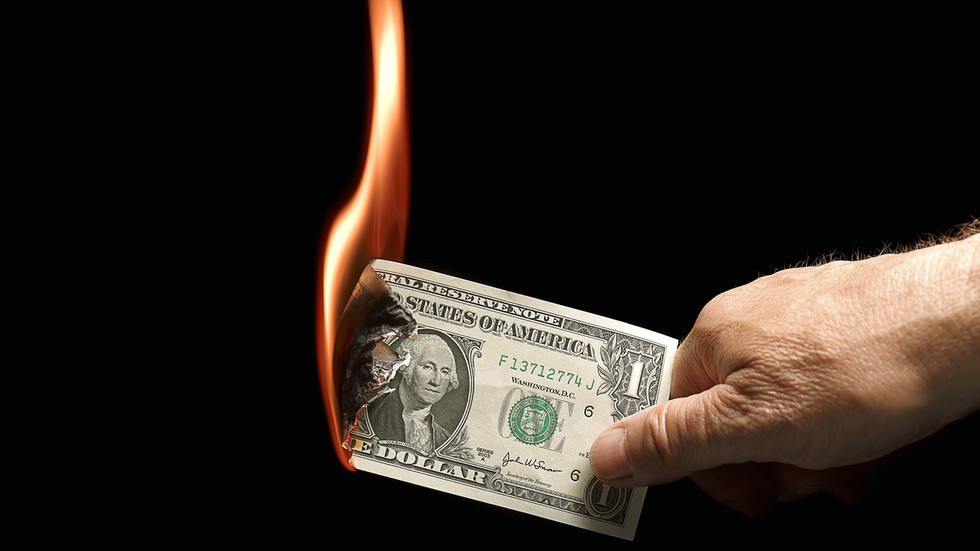
An increasing number of nations have been shunning the greenback in trade settlements
How Russia sanctions sparked global revolt against US dollar
© Getty Images / Peter Dazeley
The number of international agreements aimed at abandoning the US dollar in trade has been growing lately, signaling a global de-dollarization push in light of Washington’s aggressive foreign policy. RT explores the reverse side of the US sanctions policy and whether it threatens the hegemony of the dollar.
Why is the US weaponizing the dollar?
Washington has been using the dollar’s dominance as a tool to preserve its global economic and geopolitical superiority while imposing numerous financial restrictions on countries which it perceives as violating US national interests.
What underlies those actions?
The US accounts for some 20% of global economic output, but more than a half of world currency reserves are in dollars, and the bulk of cross-border transactions are carried out with the use of the currency. This helps the greenback maintain its leading position among the world’s reserve currencies.
Is dollar dominance under threat?
Economists, including US Treasury Secretary Janet Yellen, have been warning that unilateral sanctions imposed by Washington on nations across the globe will sooner or later undermine the hegemony of its currency. The managing director of the International Monetary Fund (IMF), Kristalina Georgieva, has also said that the dollar is gradually losing its top status. The warnings come in the wake of a multi-decade gradual decline in the dollar’s share of global central bank reserves. International rating agency Moody’s stated recently that deepening geopolitical tensions are among the issues that could threaten the greenback’s dominance. It added, however, that the currency’s role would persist for decades despite the challenges.
Are there any viable alternatives?
Immediate replacement of the dollar is not likely, most economists believe. However, the Chinese yuan is often mentioned as the dollar’s major rival due to its growing share in international trade settlements, along with the expansion of the Chinese economy. At the same time, economists note the lack of transparency in China’s financial system and the fact that the yuan is not fully convertible. The Indian rupee has also been named as a contender. As for the euro and the Japanese yen, experts have raised doubts on their long-term future and stability due to economic issues in the EU and in Japan.
Could sanctions on Russia backfire on dollar?
The unprecedented US-led sanctions freezing Moscow’s ability to use half of its reserves, as well as limiting the ability of Russian banks to conduct transactions via the SWIFT messaging system could have a boomerang effect, some analysts say. According to them, many countries, especially those in the crosshairs of restrictive US measures, have raised concerns that those measures could be used against them in the future and could impact the functioning of their economies.
Could BRICS challenge the US currency?
The status of the US dollar as the global kingpin could be challenged in time and under certain circumstances by the BRICS group of emerging countries, according to some experts, including the former chairman of Goldman Sachs, Jim O’Neill. The economic bloc, comprising Brazil, Russia, India, China and South Africa, has already outpaced the G7 in economic growth. Their push towards trade in national currencies and efforts to establish a joint payment network to cut reliance on the Western financial system, and particularly on the dollar, have been gaining traction.
What happens if the dollar loses its reserve status?
The dollar’s current status allows the US to run large deficits in terms of both international trade and government spending. Losing it could result in a subsequent decline in demand for the currency and a possible depreciation of its value which would require significant belt-tightening by Washington. Less access to capital, higher borrowing costs and lower stock market values could be among the side effects to threaten the US economy in that scenario.
https://www.rt.com/business/577524-us-russia-sanctions-dollar-hegemony/
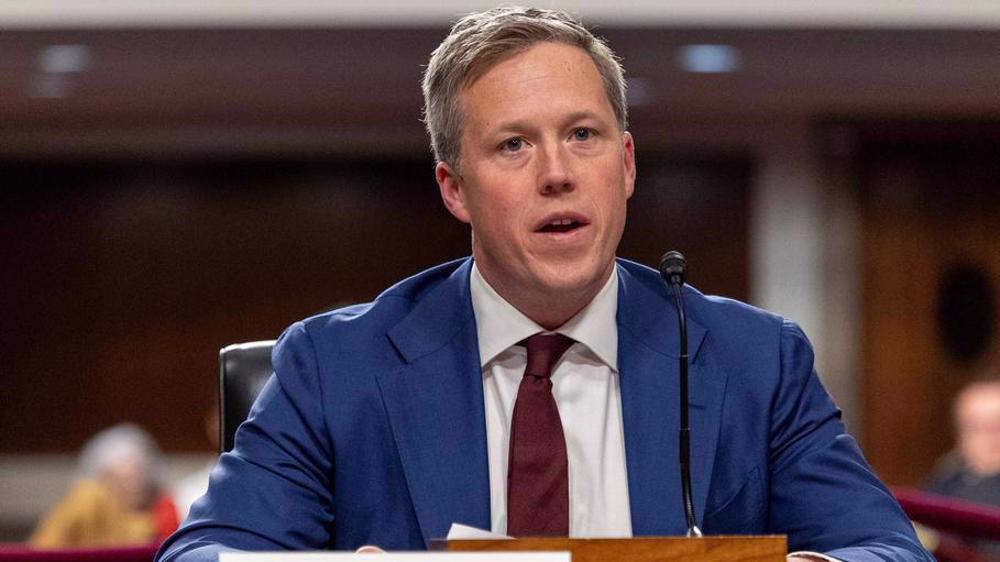
US Army Secretary Dan Driscoll is preparing to leave the Trump administration after what a new report has described as months of tension with Secretary of War Pete Hegseth, potentially triggering another change at the army’s top echelons.
According to the Friday report by The Wall Street Journal, Driscoll is expected to step down before the end of the year and could leave his post earlier. The newspaper cited people familiar with discussions over his departure.
The Journal reported that Driscoll and his family vacated the official residence assigned to the army secretary at Joint Base Myer-Henderson Hall this summer, a move that could indicate he was preparing to leave the position.
The reported departure would come at a time of continuing uncertainty at the top echelons of the army.
Hegseth abruptly removed Army Chief of Staff Gen. Randy George in April, while Trump has not yet nominated a permanent successo....more below
...
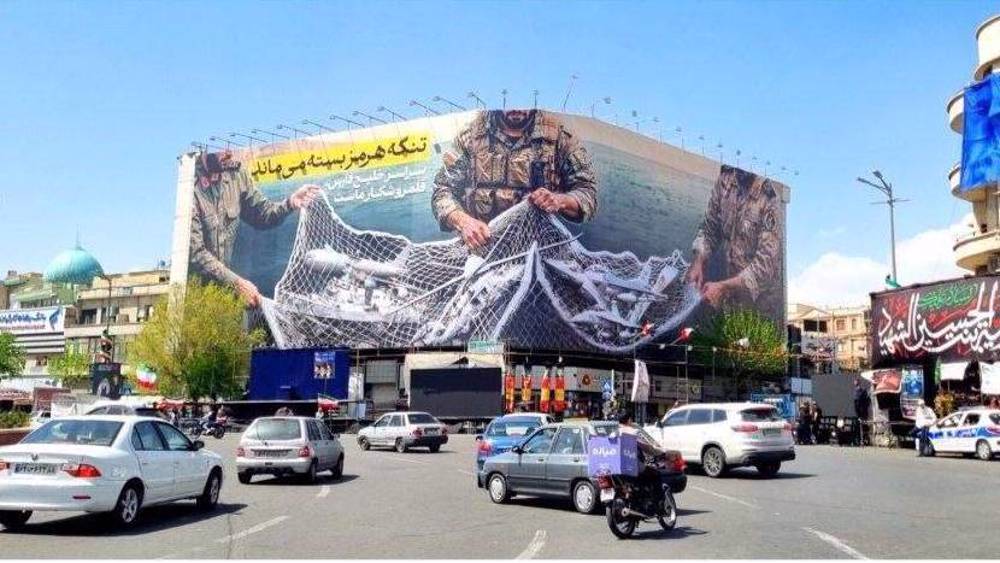
The Islamic Revolution Guards Corps (IRGC) warns the enemies that any act of aggression against the Islamic Republic will not go unanswered.
In a statement on Thursday, the IRGC issued a “stern warning” to the enemies after US forces launched strikes against the southern Iranian port city of Bandar Abbas.
Following the US military attack on a point on the outskirts of Bandar Abbas Airport with aerial projectiles, the IRGC carried out new strikes targeting the US air base from which the attack originated in the wee hours of Thursday, it added.
“This response is a serious warning to the enemy that they should know the act of aggression will not go unanswered,” the IRGC emphasized.
The elite military force warned of a “more decisive” response if the enemy repeated any act of aggression.
It also said the responsibility for the consequences of any IRGC response lies with the aggressor.
The statement comes after the IRGC Navy on Thursday forced an American tanker to turn back. The tanker ...