

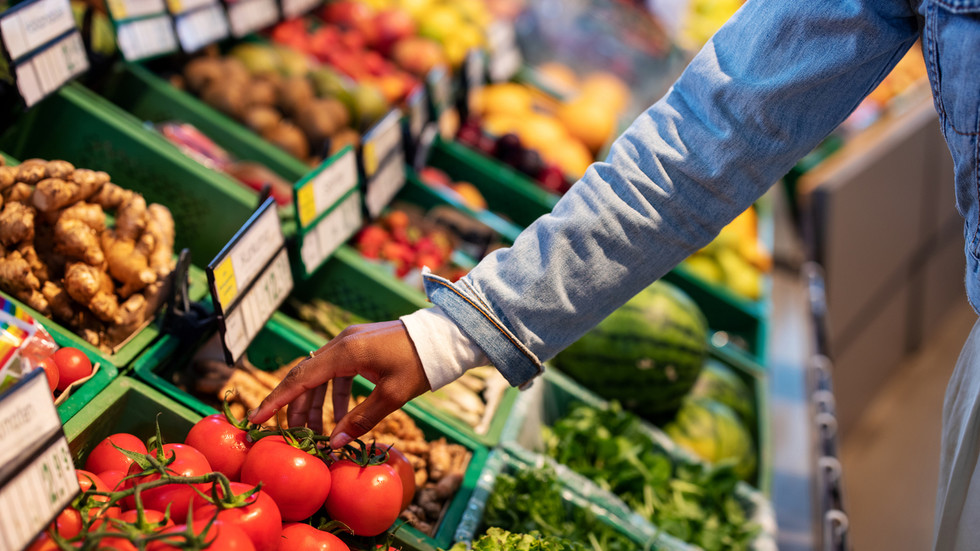
The index of global food costs rose in April for the first time in a year
World food prices rising again – UN
© Getty Images / Luis Alvarez
The Food and Agriculture Organization (FAO) of the United Nations reported on Friday that global food prices grew in April for the first time in a year.
The price index, which tracks the most globally traded food commodities, averaged 127.2 points last month, compared to 126.5 for March.
“The slight rebound in the FFPI (FAO Food Price Index) in April was led by a steep increase in the sugar price index, along with an upturn in the meat price index, while the cereals, dairy and vegetable oil price indices continued to drop,” the FAO said.
According to the report, the sugar price index soared 17.6% from March, hitting its highest level since October 2011. The rise was reportedly linked to concerns over tighter supplies following downward revisions to production forecasts for India and China, along with lower-than-expected output in Thailand and the European Union.
The meat price index was up 1.3% from March, while dairy prices fell 1.7%. Vegetable oil prices were also down 1.3%, marking the fifth consecutive monthly decline.
World may face shortage of key food stapleREAD MORE: World may face shortage of key food staple
The cereal price index dropped 1.7%, with a decline in world prices of all major grains outweighing an increase in rice prices.
“The increase in rice prices is extremely worrisome and it is essential that the Black Sea initiative is renewed to avoid any other spikes in wheat and maize,” said FAO Chief Economist Maximo Torero.
The FAO report indicated that international wheat prices declined by 2.3% in April to their lowest level since July 2021, principally driven by large exportable availabilities in Russia and Australia.
According to the UN body, favorable crop conditions in Europe, along with an agreement at the end of April allowing Ukrainian grains to transit through European Union countries that had imposed import restrictions earlier in the month, also contributed to the “overall softer tone in markets.”
Meanwhile, Torero projected that as global economies “recover from significant slowdowns, demand will increase, exerting upward pressure on food prices.”.....More Below
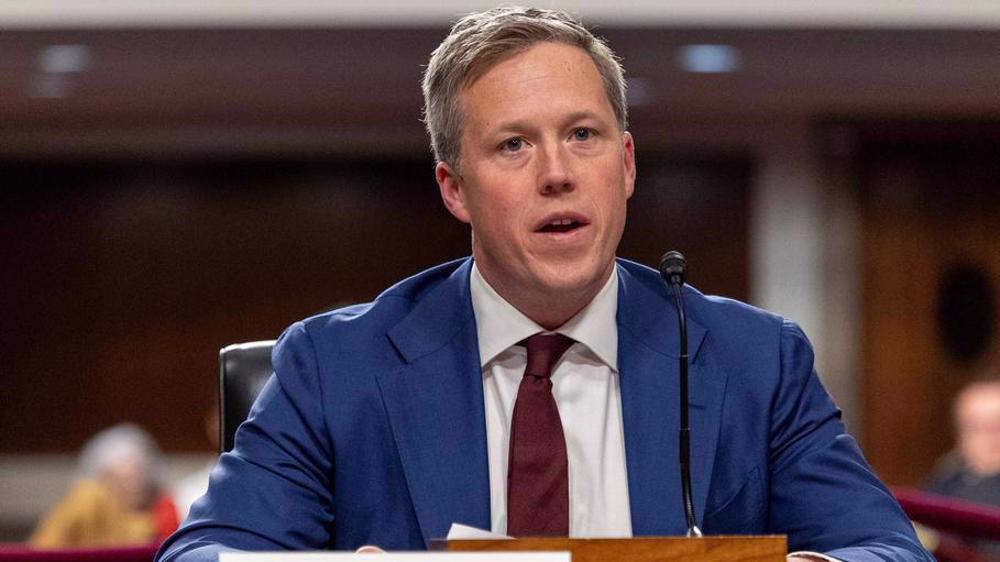
US Army Secretary Dan Driscoll is preparing to leave the Trump administration after what a new report has described as months of tension with Secretary of War Pete Hegseth, potentially triggering another change at the army’s top echelons.
According to the Friday report by The Wall Street Journal, Driscoll is expected to step down before the end of the year and could leave his post earlier. The newspaper cited people familiar with discussions over his departure.
The Journal reported that Driscoll and his family vacated the official residence assigned to the army secretary at Joint Base Myer-Henderson Hall this summer, a move that could indicate he was preparing to leave the position.
The reported departure would come at a time of continuing uncertainty at the top echelons of the army.
Hegseth abruptly removed Army Chief of Staff Gen. Randy George in April, while Trump has not yet nominated a permanent successo....more below
...
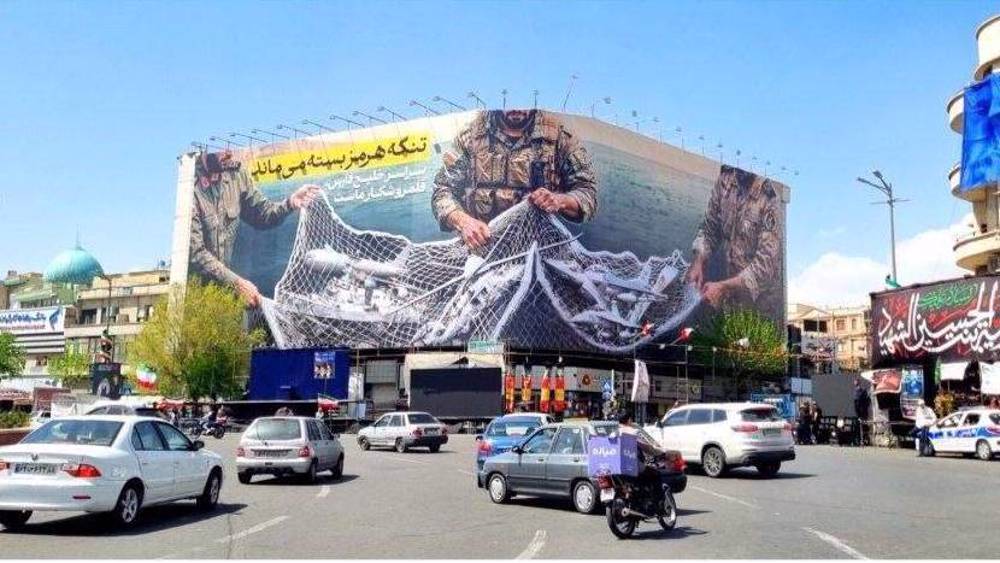
The Islamic Revolution Guards Corps (IRGC) warns the enemies that any act of aggression against the Islamic Republic will not go unanswered.
In a statement on Thursday, the IRGC issued a “stern warning” to the enemies after US forces launched strikes against the southern Iranian port city of Bandar Abbas.
Following the US military attack on a point on the outskirts of Bandar Abbas Airport with aerial projectiles, the IRGC carried out new strikes targeting the US air base from which the attack originated in the wee hours of Thursday, it added.
“This response is a serious warning to the enemy that they should know the act of aggression will not go unanswered,” the IRGC emphasized.
The elite military force warned of a “more decisive” response if the enemy repeated any act of aggression.
It also said the responsibility for the consequences of any IRGC response lies with the aggressor.
The statement comes after the IRGC Navy on Thursday forced an American tanker to turn back. The tanker ...