


The botched job reportedly sparked an urgent investigation as defense chiefs demanded assurances about future work
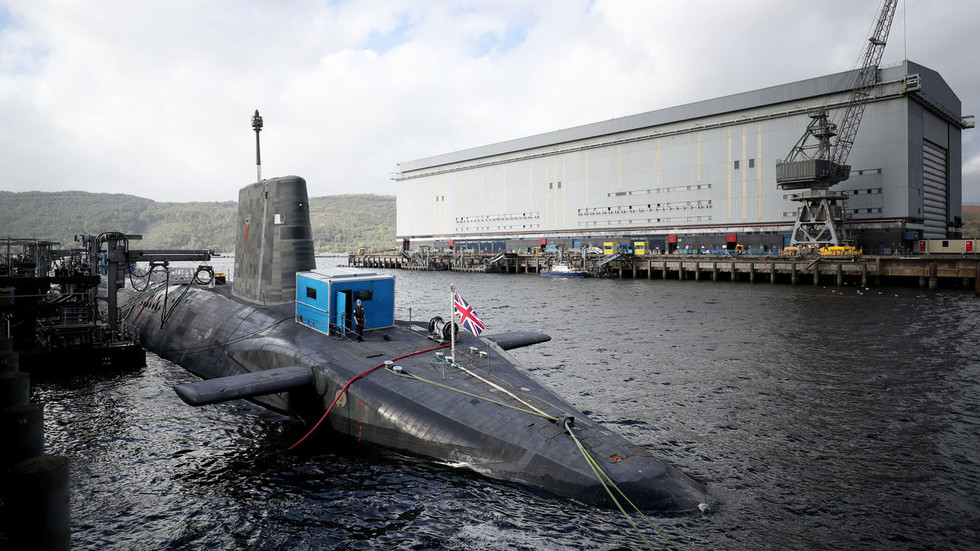
UK Defence Minister Ben Wallace has reportedly called for an urgent investigation after The Sun revealed that a routine inspection of one of Britain’s Trident nuclear submarines found evidence of bizarrely botched repair work.
According to a detailed report by the outlet, workers allegedly used super glue to fix a number of broken bolt heads used to hold together cooling pipes in the nuclear reactor of the HMS Vanguard.
Engineers from defense contractor Babcock appear to have originally damaged the bolts, but instead of replacing the them, they simply glued the heads back on.
The Sun details that at least seven bolts, all of which held insulation in place on coolant pipes which prevent reactor meltdown, were treated this way.
The potentially catastrophic repairs were only noticed earlier this month when one of the bolts fell apart during a routine check ahead of a scheduled first firing of the reactor at maximum power.
The incident reportedly sparked outrage among defense officials. Wallace has demanded a meeting and “assurances about future work,” The Sun reported.
A Navy source told the outlet that he was furious that Babcock had failed to inform defense officials about the botched repairs. “It’s a disgrace. You can’t cut corners with nuclear. Standards are standards. Nuclear standards are never compromised,” he told The Sun.
Repair work aboard the HMS Vanguard is being done as part of dry dock refurbishment at HMNB Devonport in Plymouth, which is already four years behind schedule and around £300 million ($370 million) over budget.
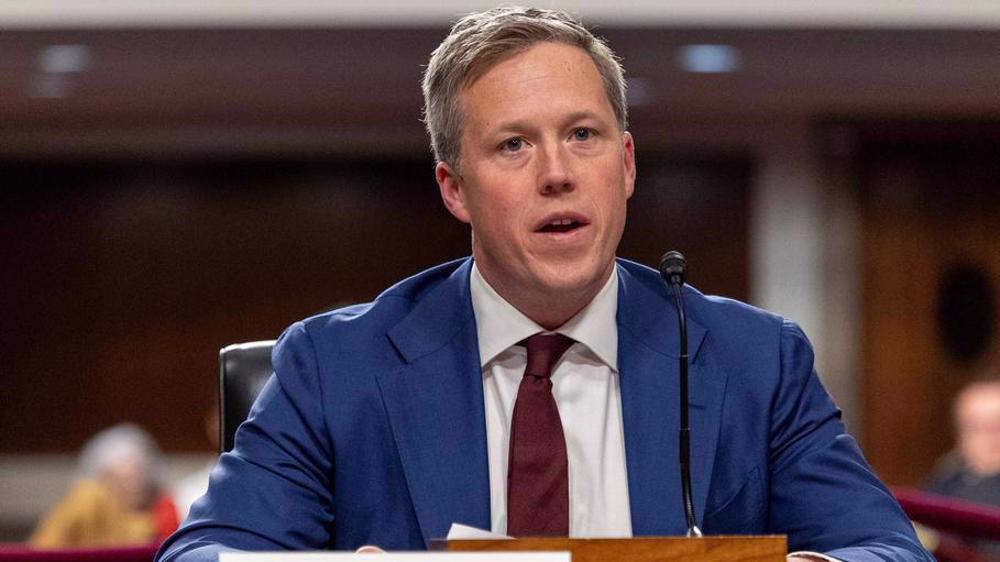
US Army Secretary Dan Driscoll is preparing to leave the Trump administration after what a new report has described as months of tension with Secretary of War Pete Hegseth, potentially triggering another change at the army’s top echelons.
According to the Friday report by The Wall Street Journal, Driscoll is expected to step down before the end of the year and could leave his post earlier. The newspaper cited people familiar with discussions over his departure.
The Journal reported that Driscoll and his family vacated the official residence assigned to the army secretary at Joint Base Myer-Henderson Hall this summer, a move that could indicate he was preparing to leave the position.
The reported departure would come at a time of continuing uncertainty at the top echelons of the army.
Hegseth abruptly removed Army Chief of Staff Gen. Randy George in April, while Trump has not yet nominated a permanent successo....more below
...
The Islamic Revolution Guards Corps (IRGC) warns the enemies that any act of aggression against the Islamic Republic will not go unanswered.
In a statement on Thursday, the IRGC issued a “stern warning” to the enemies after US forces launched strikes against the southern Iranian port city of Bandar Abbas.
Following the US military attack on a point on the outskirts of Bandar Abbas Airport with aerial projectiles, the IRGC carried out new strikes targeting the US air base from which the attack originated in the wee hours of Thursday, it added.
“This response is a serious warning to the enemy that they should know the act of aggression will not go unanswered,” the IRGC emphasized.
The elite military force warned of a “more decisive” response if the enemy repeated any act of aggression.
It also said the responsibility for the consequences of any IRGC response lies with the aggressor.
The statement comes after the IRGC Navy on Thursday forced an American tanker to turn back. The tanker ...