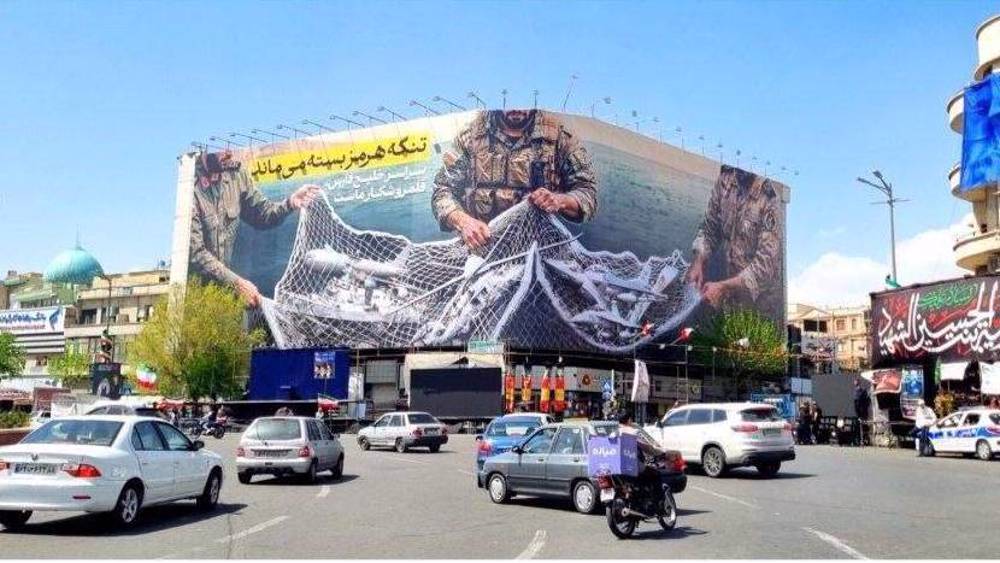


American “occupation troops” stationed in Syria are “looting” the country’s resources, Beijing has claimed
China has blasted the United States for its “banditry” in Syria, claiming that Washington’s years-long military occupation and the “plundering” of Syrian resources have placed the country on the brink of a “humanitarian disaster.”
Addressing reporters during a press briefing on Tuesday, Chinese Foreign Ministry spokesman Wang Wenbin was asked to comment on recent reports in Syrian media that US forces had transported a large quantity of “looted oil” from Syria to Iraq earlier this month.
“We are struck by the blatancy and egregiousness of the US’s plundering of Syria… Such banditry is aggravating the energy crisis and humanitarian disaster in Syria,” he said, citing Syrian government statistics purporting that “over 80% of Syria’s daily oil output was smuggled out of the country by US occupation troops” in the first half of 2022.
The level of US greed in stealing resources from Syria is as striking as its “generosity” in giving out military aid often in the amount of billions or even tens of billions dollars.
“Whether the US gives or takes, it plunges other countries into turmoil and disaster, and the US gets to reap the benefits for its hegemony and other interests,” he added. “This is the result of the US’s so-called “rules-based order.””
On January 14, Damascus’ state-run Syrian Arab News Agency (SANA) reported that “a convoy consisting of 53 tanks loaded with stolen Syrian oil” were brought from the country’s Hasakah province to US “bases in Iraqi territory,” noting the operation was carried out alongside local Kurdish militants which have long received American backing. The outlet also stated that 60 additional trucks smuggled stolen oil and wheat into Iraq earlier this month.
“The Syrian people’s right to life is being ruthlessly trampled on by the US. With little oil and food to go by, the Syrian people are struggling even harder to get through the bitter winter,” Wang added, demanding that “the US must answer for its oil theft.”
US forces were first sent to Syria in 2014, beginning with a contingent of special operators followed by more conventional ground troops the next year, most embedded with Kurdish fighters in the country’s oil-rich northeast. Though then-President Barack Obama maintained the deployment was focused only on combating Islamic State (IS, formerly ISIS) terrorists, Washington had long intervened in Syria’s war against jihadist groups, sending and overseeing countless arms shipments to rebels seeking to overthrow the government in Damascus beginning as early as 2013.
Though American involvement in the conflict slowed under the next administration, in 2019 President Donald Trump said some US troops would remain in Syria “for the oil,” openly suggesting Washington would simply “keep” the energy resources.
Subsequent reporting in 2020 would later reveal that the Trump administration had approved a deal between a US energy firm and Kurdish authorities controlling northeast Syria to “develop and export the region’s crude oil” – a contract immediately condemned as “illegal” by Damascus. However, while that particular deal would later fall through after President Joe Biden took office, Syrian authorities have continued to accuse Washington of plundering its resources and some 900 US troops remain in the country illegally.
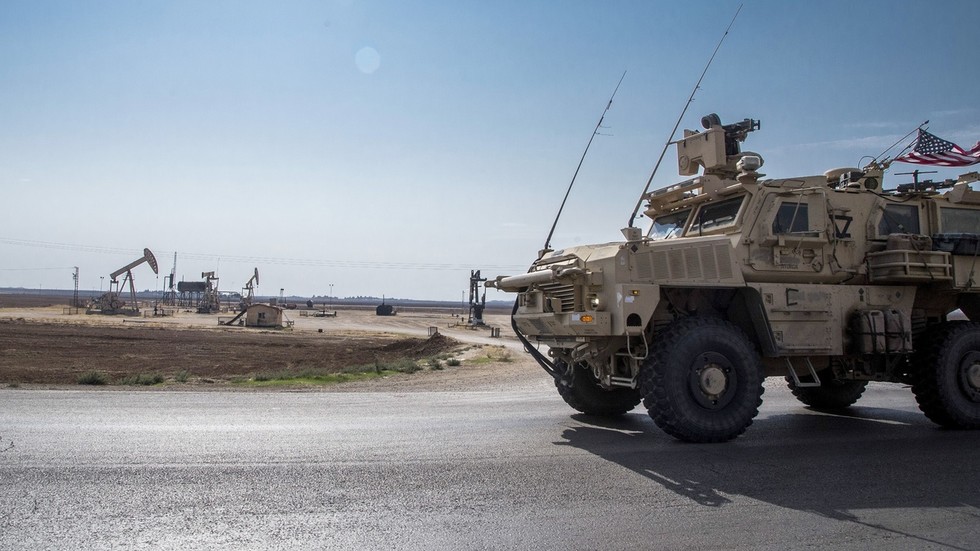
US Army Secretary Dan Driscoll is preparing to leave the Trump administration after what a new report has described as months of tension with Secretary of War Pete Hegseth, potentially triggering another change at the army’s top echelons.
According to the Friday report by The Wall Street Journal, Driscoll is expected to step down before the end of the year and could leave his post earlier. The newspaper cited people familiar with discussions over his departure.
The Journal reported that Driscoll and his family vacated the official residence assigned to the army secretary at Joint Base Myer-Henderson Hall this summer, a move that could indicate he was preparing to leave the position.
The reported departure would come at a time of continuing uncertainty at the top echelons of the army.
Hegseth abruptly removed Army Chief of Staff Gen. Randy George in April, while Trump has not yet nominated a permanent successo....more below
...
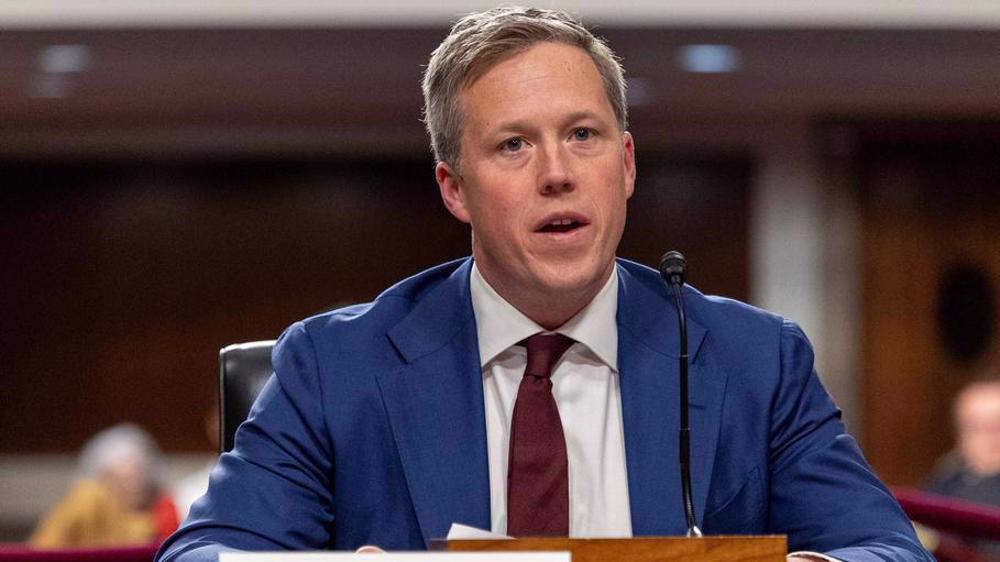
The Islamic Revolution Guards Corps (IRGC) warns the enemies that any act of aggression against the Islamic Republic will not go unanswered.
In a statement on Thursday, the IRGC issued a “stern warning” to the enemies after US forces launched strikes against the southern Iranian port city of Bandar Abbas.
Following the US military attack on a point on the outskirts of Bandar Abbas Airport with aerial projectiles, the IRGC carried out new strikes targeting the US air base from which the attack originated in the wee hours of Thursday, it added.
“This response is a serious warning to the enemy that they should know the act of aggression will not go unanswered,” the IRGC emphasized.
The elite military force warned of a “more decisive” response if the enemy repeated any act of aggression.
It also said the responsibility for the consequences of any IRGC response lies with the aggressor.
The statement comes after the IRGC Navy on Thursday forced an American tanker to turn back. The tanker ...