

The Congolese community in Moscow held its annual ceremony in front of the Peoples' Friendship University of Russia on January 17. The ambassador of the DRC told Sputnik that he came to "remind the younger generation of the quintessence of his [Lumumba's] struggle," which - he believed - must continue.
January 17 was the anniversary of the assassination of Patrice Lumumba, hero of the Democratic Republic of Congo (DRC). He was killed by his enemies 62 years ago in 1961.
Just as every year, the People's Friendship University of Russia honored his memory this Tuesday in Moscow. For thirty years during the Soviet era, the university bore the name of Lumumba.
Among the guests was lvan Vangu Ngimbi, ambassador of the Democratic Republic of Congo to Russia. He shared his emotions with Sputnik:
"It is an honor for us because Patrice Emery Lumumba - who is our national hero - represents the symbol of the struggle for independence, the struggle for dignity, the struggle for brotherhood between peoples."
According to the diplomat, Lumumba "passed away too young". At the ceremony, he called on people to "remind the younger generations of the quintessence of his struggle" and invite them to "take up the torch to continue the fight."
A Fight That Must Continue
According to the diplomat, "Africa is not yet fully independent, especially in economic terms [and] it is therefore necessary that Africa becomes a true actor and subject of its history."
The youth must "wake up" to "go to the forefront to be able to conquer their freedom, their independence and exercise their sovereignty," the diplomat believes.
Patrice Lumumba "is an inspiring figure for the youth," echoed Gael Kazembe, vice president of the DRC community in Moscow. "Young people can take their example from him."
"We are trying to perpetuate his ideas," he continued. The student hoped that the friendship between Russia and Congo would continue.

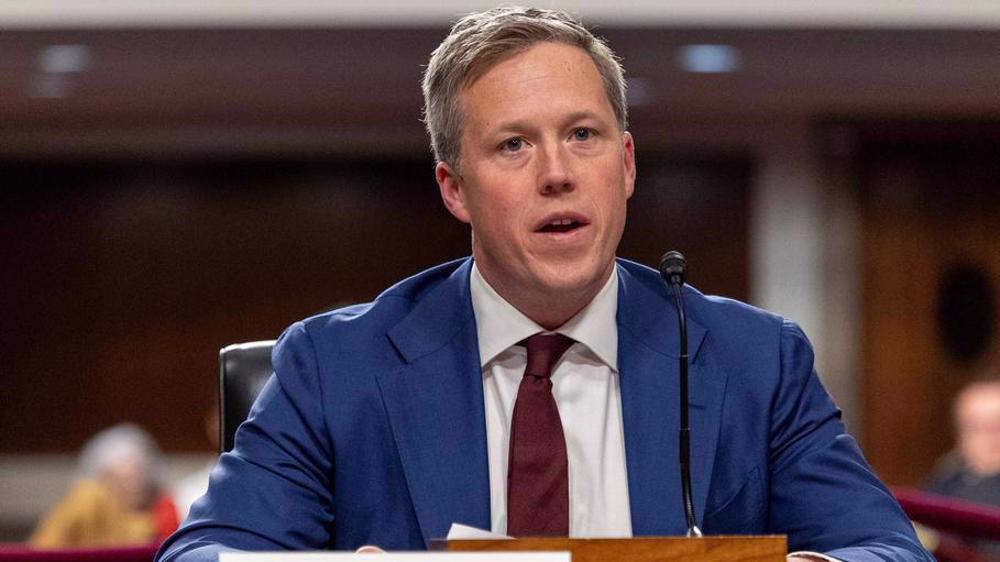
US Army Secretary Dan Driscoll is preparing to leave the Trump administration after what a new report has described as months of tension with Secretary of War Pete Hegseth, potentially triggering another change at the army’s top echelons.
According to the Friday report by The Wall Street Journal, Driscoll is expected to step down before the end of the year and could leave his post earlier. The newspaper cited people familiar with discussions over his departure.
The Journal reported that Driscoll and his family vacated the official residence assigned to the army secretary at Joint Base Myer-Henderson Hall this summer, a move that could indicate he was preparing to leave the position.
The reported departure would come at a time of continuing uncertainty at the top echelons of the army.
Hegseth abruptly removed Army Chief of Staff Gen. Randy George in April, while Trump has not yet nominated a permanent successo....more below
...
The Islamic Revolution Guards Corps (IRGC) warns the enemies that any act of aggression against the Islamic Republic will not go unanswered.
In a statement on Thursday, the IRGC issued a “stern warning” to the enemies after US forces launched strikes against the southern Iranian port city of Bandar Abbas.
Following the US military attack on a point on the outskirts of Bandar Abbas Airport with aerial projectiles, the IRGC carried out new strikes targeting the US air base from which the attack originated in the wee hours of Thursday, it added.
“This response is a serious warning to the enemy that they should know the act of aggression will not go unanswered,” the IRGC emphasized.
The elite military force warned of a “more decisive” response if the enemy repeated any act of aggression.
It also said the responsibility for the consequences of any IRGC response lies with the aggressor.
The statement comes after the IRGC Navy on Thursday forced an American tanker to turn back. The tanker ...