

It is the first major international energy contract for the current Afghan rulers
The Taliban government of Afghanistan has signed an oil extraction deal with a Chinese company, Bloomberg reported on Friday.
The contract with Xinjiang Central Asia Petroleum and Gas Company (CAPEIC) was signed in Kabul in the presence of the Taliban’s deputy prime minister for economic affairs, Mullah Abdul Ghani Baradar, and the Chinese ambassador to Afghanistan, Wang Yu, the outlet said, citing a statement from the Taliban government.
The 25-year oil extraction agreement would see CAPEIC drilling for oil in the Amu Darya basin. It is the Taliban’s first major international energy extraction deal since the group took control of the country in 2021.
“In terms of natural resources, Afghanistan is a wealthy nation. In addition to other minerals, oil is the wealth of the Afghan people on which the economy of the country can rely,” Bloomberg quoted Baradar as saying.
The Chinese company will invest up to $150 million a year, which will increase to $540 million in three years, and will give jobs to 3,000 Afghans, the outlet added.
READ MORE: US corruption doomed Afghanistan – ex-president
Afghanistan is estimated to have more than $1 trillion worth of natural resources such as natural gas, oil, copper, and rare earths, which are largely untapped due to decades of turmoil. After the Taliban came to power in 2021, the US froze more than $7 billion of its foreign currency reserves, leaving the country severely short of cash. China, which shares a 76km border with Afghanistan, said at the time that it was ready to deepen “friendly and cooperative” relations with Afghanistan.
The Taliban has not yet been recognized as Afghanistan’s legitimate government by any country.
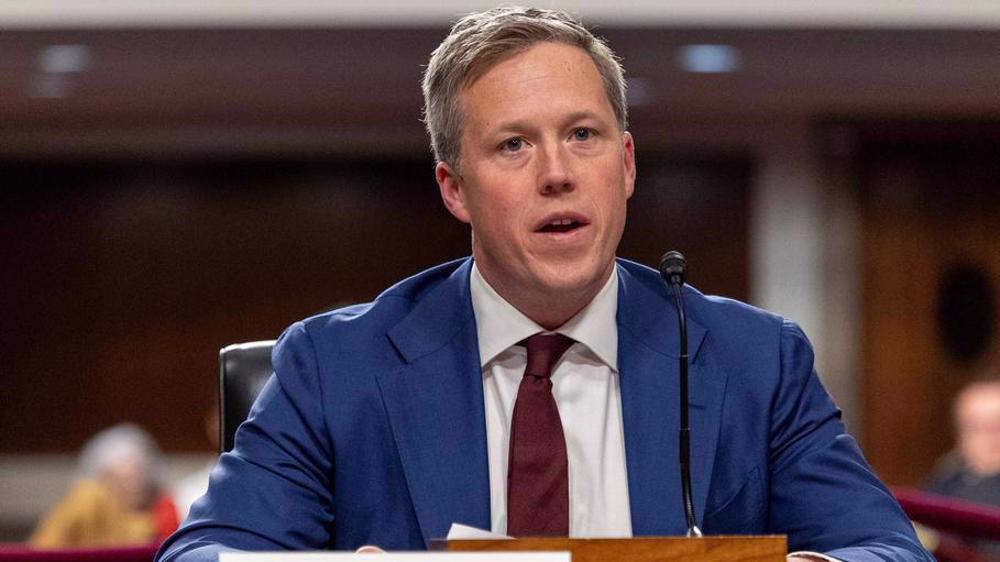
US Army Secretary Dan Driscoll is preparing to leave the Trump administration after what a new report has described as months of tension with Secretary of War Pete Hegseth, potentially triggering another change at the army’s top echelons.
According to the Friday report by The Wall Street Journal, Driscoll is expected to step down before the end of the year and could leave his post earlier. The newspaper cited people familiar with discussions over his departure.
The Journal reported that Driscoll and his family vacated the official residence assigned to the army secretary at Joint Base Myer-Henderson Hall this summer, a move that could indicate he was preparing to leave the position.
The reported departure would come at a time of continuing uncertainty at the top echelons of the army.
Hegseth abruptly removed Army Chief of Staff Gen. Randy George in April, while Trump has not yet nominated a permanent successo....more below
...
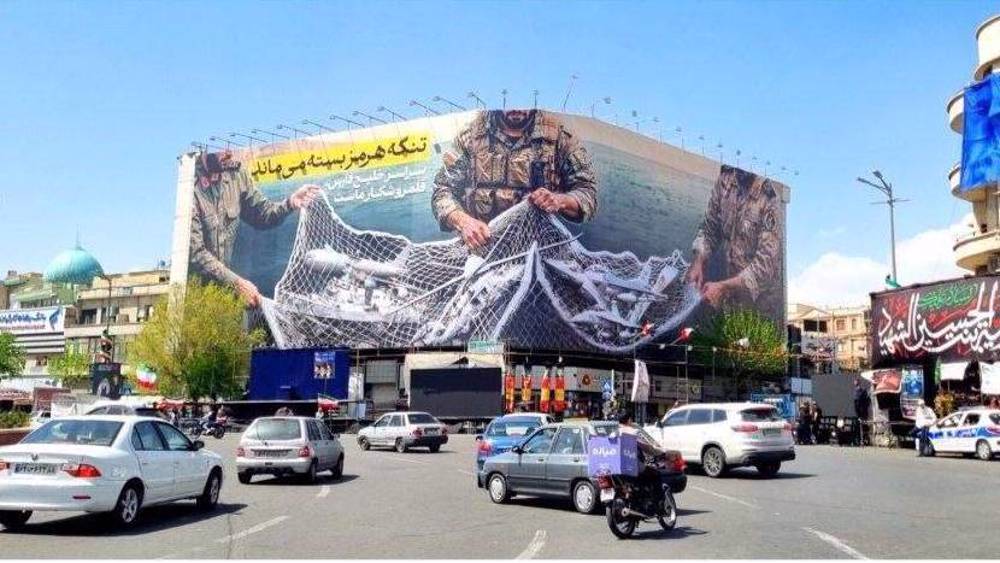
The Islamic Revolution Guards Corps (IRGC) warns the enemies that any act of aggression against the Islamic Republic will not go unanswered.
In a statement on Thursday, the IRGC issued a “stern warning” to the enemies after US forces launched strikes against the southern Iranian port city of Bandar Abbas.
Following the US military attack on a point on the outskirts of Bandar Abbas Airport with aerial projectiles, the IRGC carried out new strikes targeting the US air base from which the attack originated in the wee hours of Thursday, it added.
“This response is a serious warning to the enemy that they should know the act of aggression will not go unanswered,” the IRGC emphasized.
The elite military force warned of a “more decisive” response if the enemy repeated any act of aggression.
It also said the responsibility for the consequences of any IRGC response lies with the aggressor.
The statement comes after the IRGC Navy on Thursday forced an American tanker to turn back. The tanker ...