

By Mohammad Homaeefar
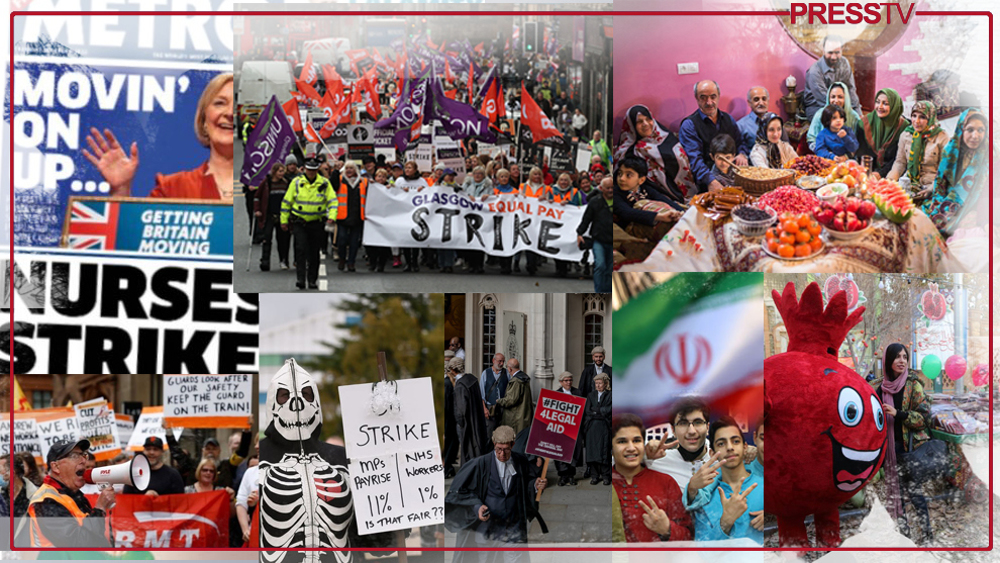
Karma is a funny thing. Or, at least, that is what many people in Iran are saying these days in the wake of strikes sweeping the UK, the worst in decades, even as the latest round of so-called “nationwide strikes” in Iran ended not with a bang but a whimper.
Grappling with a cost-of-living crisis caused by soaring food and energy prices, thousands of ambulance workers in England and Wales walked out on their shifts this Wednesday to demand a pay increase and better working conditions.
It came a day after nurses went on strikes, as the British government put the army on standby to help drive and direct emergency vehicles while urging the public to avoid taking risks.
However, telling people “not to get too drunk” was perhaps the only well-studied plan the British government had for people reeling under the worst economic pressure in recent months.
“Don’t get so drunk that you end up with an unnecessary visit” to a hospital emergency room, Stephen Powis, national medical director of the National Health Service in England, said to people.
Months of planned strikes culminated this month as more than 100,000 postal workers walked out, followed by some 100,000 nurses who went on strike after the government ruled out negotiations over a pay rise.
Nevertheless, the strike action does not seem to be ending anytime soon. Ambulance crews are due to strike again next week when they will be joined by rail workers, passport officers and postal workers across the country.
The mass strikes in the UK coincided with another three-day so-called “nationwide strike” in Iran that ended on Wednesday without anyone noticing, as people showed reluctance to respond to calls made by UK-based Persian language news channels and anti-Iran groups, among others.
The previous two rounds of three-day strikes, held in the past few months, were rightly dubbed “forced strikes“ that mostly targeted shopkeepers and truckers, after inimical forces operating from foreign lands, the UK and the US in particular, failed to garner much support.
The latest call, between December 19 and 21, went almost completely unnoticed. In the previous round, between December 5 to 7, at least a small percentage of shopkeepers and truckers had stayed home for the fear of mindless attacks from foreign-backed rioters.
The latest shutdown call coincided with the annual Yalda festivity in Iran that marks the winter solstice celebration. The strike call failed to dampen the spirit of this traditional festival as people thronged markets for shopping and visited family and friends.
Mindful of the British role in these “forced strikes” and months-long riots across their country, people in Iran say what the British government fruitlessly tried inside Iran is now practically unfolding across the UK, without any foreign involvement.
“Apparently, the strikes in England have reached the ambulance [workers], and the army has been called for help,” a user wrote in a tweet. “The old fox (Britain), which would plot against everyone and plotted against our Iran in recent months, is now drowning in crisis.”
Another user said the London-based news networks have been “inviting Iranian people to go on strike for two months, but now that their turn has come, they say, ‘it is not a good time to protest right now.’”
Iran has summoned the British ambassador to Tehran five times in recent months to protest his country’s role in stoking deadly riots in Iran, which broke out following the death of Mahsa Amini, a young woman who collapsed at a police station in Tehran on September 13 and died in a hospital three days later.
Ambassador Simon Shercliff was first summoned by the Iranian foreign ministry on September 25 over London-based channels’ role in instigating riots, making Britain the first out of several European countries whose envoys have been summoned since the outbreak of riots.
The summon highlighted the notorious role played by London-based mercenary media in fanning the flames of West-backed riots and unrest in the country.
The UK hosts several anti-Iran channels, including the government-funded BBC Persian, the Independent Persian, Manoto, and the Saudi-funded Iran International, which frequently publishes fake news stories about Iran and overtly instigates vandalism and hate crimes against Iranians.
After repeated warnings to dissuade from toxic propaganda, the Islamic Republic eventually designated Iran International as a “terrorist organization“ and warned that the UK government will pay the price for its attempts to destabilize the country.
As London continued its direct and indirect support for the West-backed mob, Iran summoned the British envoy four more times, citing the UK’s meddlesome statements, its “arbitrary sanctions“ against the Islamic Republic, its failure to prevent an attack by a violent group on the country’s embassy in London, and its continued interference and new sanctions against Tehran.
People on social media pointed to the UK’s key role in fomenting riots as well as forced strikes in Iran, with some in a lighter vein suggesting that the British government might have targeted the wrong country.
“For three months they encouraged, cheered, and posted hashtags for nationwide strikes [in Iran] from London and covered the threats against trade unions,” Abdollah Ganji, a senior Iranian journalist, wrote in a tweet.
But now, he said, the ambulance workers’ strike has forced the British government to call for army reinforcements, while at the same time, the government is not willing to negotiate with the protesters.
Ganji then quoted a Persian poem that says “what goes around comes around”.
Mohammad Homaeefar is a Tehran-based journalist who has covered Iranian politics and Middle East affairs since 2014.
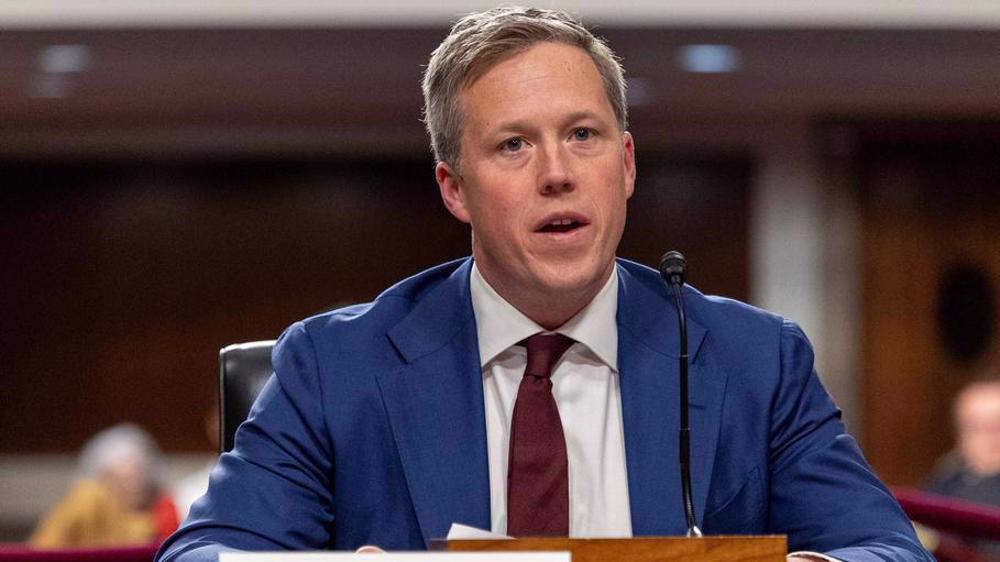
US Army Secretary Dan Driscoll is preparing to leave the Trump administration after what a new report has described as months of tension with Secretary of War Pete Hegseth, potentially triggering another change at the army’s top echelons.
According to the Friday report by The Wall Street Journal, Driscoll is expected to step down before the end of the year and could leave his post earlier. The newspaper cited people familiar with discussions over his departure.
The Journal reported that Driscoll and his family vacated the official residence assigned to the army secretary at Joint Base Myer-Henderson Hall this summer, a move that could indicate he was preparing to leave the position.
The reported departure would come at a time of continuing uncertainty at the top echelons of the army.
Hegseth abruptly removed Army Chief of Staff Gen. Randy George in April, while Trump has not yet nominated a permanent successo....more below
...
The Islamic Revolution Guards Corps (IRGC) warns the enemies that any act of aggression against the Islamic Republic will not go unanswered.
In a statement on Thursday, the IRGC issued a “stern warning” to the enemies after US forces launched strikes against the southern Iranian port city of Bandar Abbas.
Following the US military attack on a point on the outskirts of Bandar Abbas Airport with aerial projectiles, the IRGC carried out new strikes targeting the US air base from which the attack originated in the wee hours of Thursday, it added.
“This response is a serious warning to the enemy that they should know the act of aggression will not go unanswered,” the IRGC emphasized.
The elite military force warned of a “more decisive” response if the enemy repeated any act of aggression.
It also said the responsibility for the consequences of any IRGC response lies with the aggressor.
The statement comes after the IRGC Navy on Thursday forced an American tanker to turn back. The tanker ...